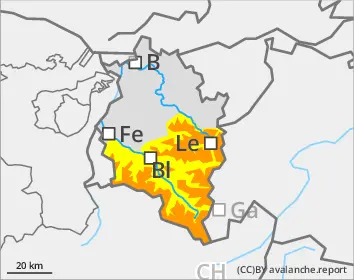
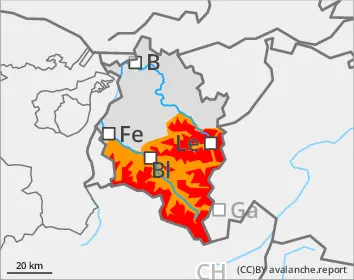
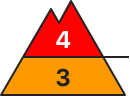
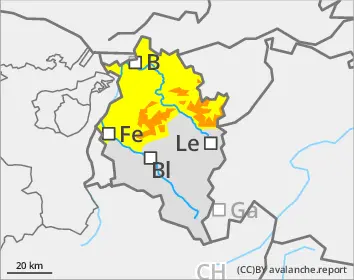
Avalanche danger will increase significantly as a result of intensive precipitation and storm-strength winds, reaching during morning hours Danger Level 4 (“high”) above 2000m. Snowdrift accumulations can easily be triggered by one single winter sports enthusiast in all aspects. Danger zones occur in steep terrain near to and distant from ridgelines, behind drops in the terrain, and in wind-loaded gullies and bowls. Frequency and spread of avalanche prone locations increase with ascending altitude and during the course of the day. Starting in the morning, increasingly frequent naturally triggered avalanches can be expected. The danger is focused in particular on alpine terrain for snow sports. Triggered avalanches, moreover, can fracture down to deeper layers inside the snowpack and thereby grow to large size. Whump noises and fractures appearing on the surface when treading on it, as well as freshly released avalanches, are alarm signals. Activitiers in outlying terrain demand restraint. The inexperienced should not leave secured ski runs.
Snowpack
Overnight there was 15-20cm of fresh snow registered. During the daytime an additional 20cm is anticipated, in the Arlberg and Verwall up to 40cm additionally. The storm-strength westerly-to-northwesterly winds will massively transport the loosely-packed snow and generate far-reaching, trigger-sensitive snowdrift accumulations. The fresh and older drifts frequently lie deposited atop graupel, in wind-protected zones atop surface hoar or on trigger-sensitive, shallow melt-freeze encrusted layers. Also still trigger-sensitive older snowdrift accumulations and a weak old snowpack with marked weak layers will be blanketed with fresh snowfall.
Tendency
On Tuesday avalanche danger will increase within the same danger level as a result of further snowfall
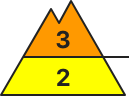
Danger level
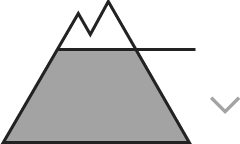
treeline
Avalanche Problem
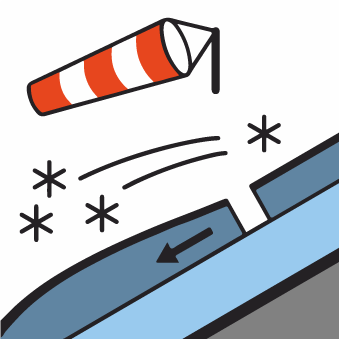
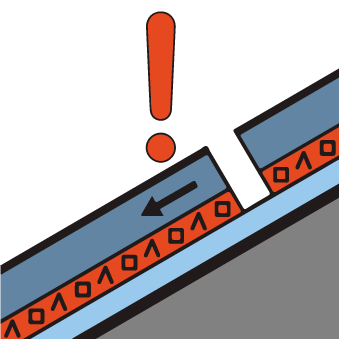
Wind slab
Treeline
Wind slab
Treeline
Persistent weak layer
1800m
Significant increase in avalanche danger
Avalanche danger will increase significantly as a result of intensive precipitation and storm-strength winds, reaching during morning hours Danger Level 4 (“high”) above 2000m. Snowdrift accumulations can easily be triggered by one single winter sports enthusiast in all aspects. Danger zones occur in steep terrain near to and distant from ridgelines, behind drops in the terrain, and in wind-loaded gullies and bowls. Frequency and spread of avalanche prone locations increase with ascending altitude and during the course of the day. Starting in the morning, increasingly frequent naturally triggered avalanches can be expected. The danger is focused in particular on alpine terrain for snow sports. Triggered avalanches, moreover, can fracture down to deeper layers inside the snowpack and thereby grow to large size. Whump noises and fractures appearing on the surface when treading on it, as well as freshly released avalanches, are alarm signals. Activitiers in outlying terrain demand restraint. The inexperienced should not leave secured ski runs.
Snowpack
Overnight there was 10-15cm of fresh snow registered. During the daytime an additional 20cm is anticipated, in the Arlberg and Verwall up to 40cm additionally. The storm-strength westerly-to-northwesterly winds will massively transport the loosely-packed snow and generate far-reaching, trigger-sensitive snowdrift accumulations. The fresh and older drifts frequently lie deposited atop graupel, in wind-protected zones atop surface hoar or on trigger-sensitive, shallow melt-freeze encrusted layers. Also still trigger-sensitive older snowdrift accumulations and a weak old snowpack with marked weak layers will be blanketed with fresh snowfall.
Tendency
On Tuesday avalanche danger will increase as a result of further snowfall