Avalanche Service Styria

Monday 9 March 2026

Published 9 Mar 2026, 08:39:00


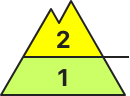
Danger level

1800m
Avalanche Problem
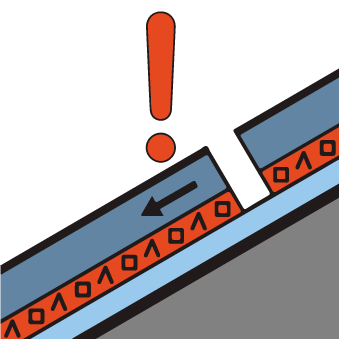
Persistent weak layer
1800m


Weak persistent layer is still the main problem

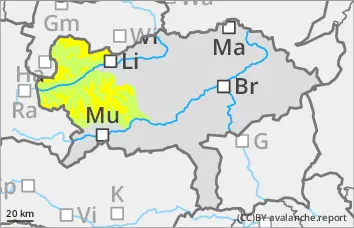
The avalanche risk is moderate above 1800 metres and low below. There is still a persistent weak layer problem in the extended northern sector. Medium-sized slab avalanches can still be triggered by people in mainly steep gullies and bowls. The avalanche prone locations are usually difficult to recognise and are often located in transition areas from little to much snow. On the sunny slopes, the softened, barely stabilised snowpack can trigger wet snow avalanches.

Snowpack

Due to a lack of outgoing longwave radiation, the snowpack hardly gains any firmness, so that it quickly becomes damp or wet up to the higher elevations. On shady slopes, there are still areas with a soft (faceted) snow surface at higher altitudes, but the surface is often already hard here too. Below this, there are still responsive weak layers in the form of faceted crystals in the area of crusts or frost that is still snowed in. In addition, the foundation consisting of floating snow (deep rime) continues to weaken the snowpack (partly also on the south side). Medium (sunny slopes) and low altitudes are largely free of snow.

Tendency

More sunshine again on Tuesday, afternoon showers from Wednesday. No significant change in the avalanche danger.
Danger level

1800m
Avalanche Problem
Persistent weak layer
1800m


Note the persistent weak layer problem in the extended northern sector!

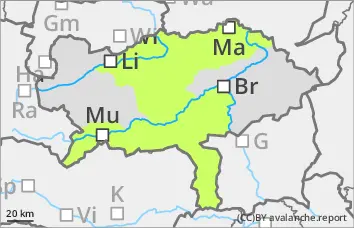
The avalanche risk is low. Nevertheless, there is still a persistent weak layer problem in the extended northern sector. Occasionally, mainly in very steep gullies and bowls, slab avalanches can be triggered by people. The avalanche prone locations are usually difficult to recognise and are often located in transition areas from a little to a lot of snow. On the sunny slopes, the softened, barely stabilised snowpack can trigger small wet snow avalanches.

Snowpack

Due to a lack of outgoing longwave radiation, the snowpack hardly gains any firmness, so that it quickly becomes damp or wet up to the higher elevations. On shady slopes at higher altitudes, there are still areas with a soft (faceted) snow surface, but often the surface is already hard. Below this, there are still isolated, accessible weak layers in the form of faceted crystals in the area of crusts or frost that is still snowed in. In addition, the foundation consisting of floating snow (deep rime) is still weakening the snowpack (partly also on the south side). Medium (sunny slopes) and low altitudes are largely free of snow.

Tendency