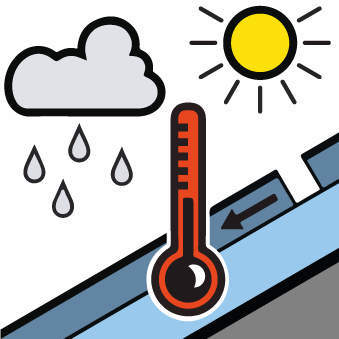
Be aware of the persistent weak layer problem in shady high areas! Slight daytime changes in sun-exposed terrain
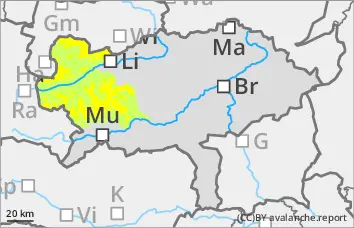
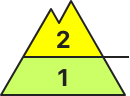
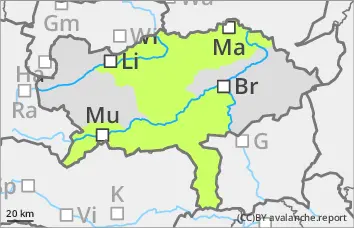
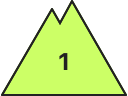
The avalanche danger is assessed as moderate above 1800 metres. There is still a persistent weak layer problem in the extended northern sector. Medium-sized slab avalanches can still be triggered by people in mainly steep gullies and bowls. The avalanche prone locations are usually difficult to recognise and are often located in transition areas from little to much snow.
On the sunny slopes, the probability of triggering wet slabs increases slightly during the day as the snowpack becomes wetter at higher altitudes. In addition, smaller loose snow avalanches can detach themselves from steep terrain interspersed with rocks.
Snowpack
With outgoing longwave radiation, the snowpack gains firmness. On the sunny slopes, the melt-freeze crust increasingly softens so that the snowpack becomes wet or moist up to the higher elevations. On the shady slopes, there are still areas with a soft (faceted) snow surface at higher altitudes, but the layer is often already hard here too. Below this, there are still responsive weak layers in the form of faceted crystals in the area of crusts or frost that is still snowed in. In addition, the foundation consisting of floating snow (deep rime) continues to weaken the snowpack. Medium (sunny slopes) and low altitudes are largely free of snow.
Tendency
On Monday, there will be slightly more humid air in Styria and more clouds. As a result, there will often be hardly any outgoing longwave radiation at night and less consolidation of the snow surface. The wind from southerly directions will pick up a little. In addition to persistent weak layer problems, a slight increase in the danger of wet avalanches during the daytime changes.
Danger level
1800m
Avalanche Problem
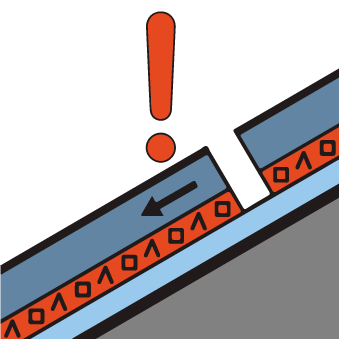
Persistent weak layer
1800m
Note the persistent weak layer problem in the extended northern sector!
The avalanche risk is low. Nevertheless, there is still a persistent weak layer problem in the extended northern sector. In a few places, mainly in very steep gullies and bowls, slab avalanches can be triggered by people. The avalanche prone locations are usually difficult to recognise and are often located in transition areas from a little to a lot of snow.
In addition, smaller wet loose snow avalanches can occasionally release themselves in extremely steep terrain.
Snowpack
With outgoing longwave radiation, the snowpack gains firmness. On the sunny slopes, the melt-freeze crust increasingly softens and the snowpack becomes wet or moist up to the higher elevations. On the shady slopes, there are still areas with a soft (faceted) snow surface at high altitudes, but the layer is usually already hard here too. Below this, there are still weak layers in the form of faceted crystals. In addition, the foundation of floating snow (deep rime) continues to weaken the snowpack. Medium (sunny slopes) and low altitudes are largely free of snow.
Tendency
On Monday, there will be slightly more humid air in Styria and more clouds. As a result, there will often be hardly any outgoing longwave radiation at night and less consolidation of the snow surface. The wind from southerly directions will pick up a little. In addition to persistent weak layer problems, a slight increase in the danger of wet avalanches during the daytime changes.