Isolated glide-snow avalanches. Danger zones in persistent weak layers
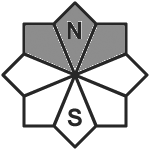
Avalanches can be triggered by one sole winter sports enthusiast above 2400m on very steep shady slopes. These releases remain small to medium sized, in isolated cases. As a result of daytime warming and solar radiation, generally only small wet-snow avalanches are possible. Small glide-snow avalanches continue to trigger naturally on steep, smooth-ground slopes which have not yet discharged.
Snowpack
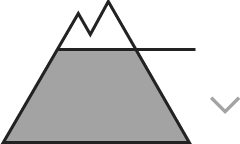
Up to higher altitudes, the snowpack has been weakened by rain impact. Nocturnal outgoing radiation is adequate particularly in the latter part of the night, the snowpack can consolidate superficially. During the course of the day, it softens up especially on sunny slopes and at lower altitudes and the danger of wet-snow avalanches again rises. On shady high-altitude slopes above 2400m, weak layers are still evident inside the snowpack.
Tendency
The receding problem of persistent weak layers is slowly improving the avalanche situation.
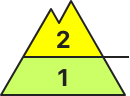
Danger level
Avalanche Problem
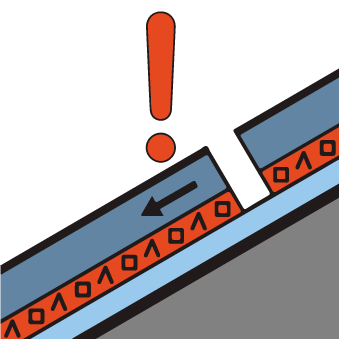
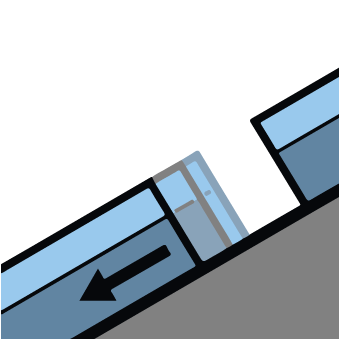
Gliding snow
Not much snow. Low avalanche danger.
As a result of daytime warming and solar radiation, isolated small-sized wet-snow avalanches are possible. Small glide-snow avalanches can still slide away naturally on steep smooth slopes which have not yet discharged.
Snowpack
The snowpack has been weakened by rain impact up to higher altitudes. Nocturnal outgoing radiation is adequate particularly in the latter part of the night, the snowpack can consolidate superficially. During the course of the day, it softens up especially on sunny slopes and at lower altitudes and the danger of wet-snow avalanches again rises.
Tendency
Little change is expected, avalanche danger remains low