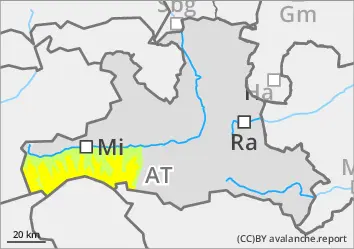
Weak old snow and sliding snow are the main dangers.
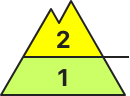
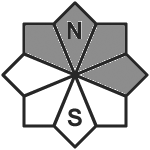
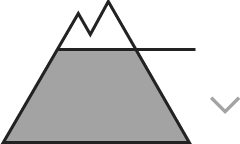
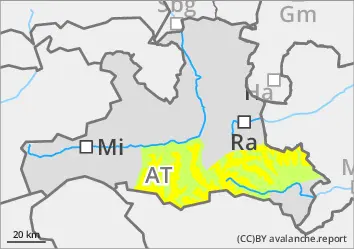
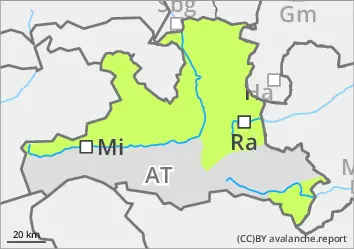
The avalanche danger is moderate above 2200 metres and low below. Above around 2200 m, slab avalanches can be triggered in places by individual winter sports enthusiasts. The avalanches usually remain small, but can occasionally become medium-sized if they break through into deeper layers. The danger spots for this are on very steep north and east-facing slopes, especially at the transition from little to much snow. Small, occasionally also medium-sized, spontaneous sliding snow avalanches are possible from very steep, still undischarged grass mat terrain.
Snowpack
The surface is dominated by (fractured) harsch cover. Above around 2200 m, bound snow (due to rainfall or drift snow) lies on an old snow cover with soft layers of angular crystals, which are susceptible to disruption.
Below around 2000 m, the remaining snow cover is often moist or wet right down to the ground.
Tendency
Weak layers in old snow remain susceptible to disruption.
Danger level
2400m
Avalanche Problem
Persistent weak layer
2400m
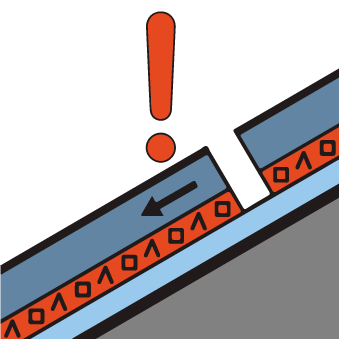
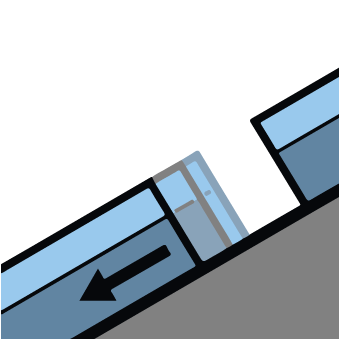
Gliding snow
2400m
Weak old snow and sliding snow are the main dangers.
The avalanche danger is moderate above 2400 metres and low below. Above around 2400 m, slab avalanches can be triggered in places by individual winter sports enthusiasts. The avalanches usually remain small, but can occasionally become medium-sized if they break through into deeper layers. The danger spots for this are on very steep north and east-facing slopes, especially at the transition from little to much snow. Small, very occasionally also medium-sized, spontaneous sliding snow avalanches are still possible from very steep, not yet unloaded grass mat terrain.
Snowpack
(Quarry) harsch dominates on the surface.
Above around 2400 m, bound snow (due to rainfall or drift snow) lies on an old snow cover with soft layers of angular crystals, which are susceptible to disruption.
Below around 2000 m, the remaining snow cover is often moist or wet right down to the ground.
Tendency
Weak layers in old snow remain susceptible to disruption.
Danger level
Avalanche Problem
Gliding snow
Little snow, low avalanche danger.
The avalanche danger is low. Small, spontaneous sliding snow avalanches are possible from very steep, as yet undischarged grass mat terrain.
Snowpack
There is often little snow and the lower elevations are becoming increasingly thin. The existing snow cover has been moistened by the rain right up to the summit regions. The snow surface is usually hardened. The entire snow cover can slide off on slippery ground. In the shaded summit areas, there are still isolated weak layers of angular crystals in the snow cover.
Tendency
Little change, the avalanche danger remains low. Isolated small sliding snow avalanches are still possible.