Heightened wet-snow danger from early morning, depending on nocturnal cloud cover
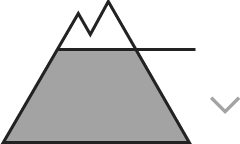
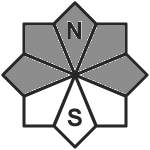
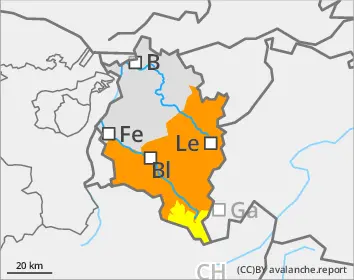
Danger of wet-snow avalanches is heightened even as of early morning, particularly on very steep north-facing slopes at 1800-2400m. As a result of daytime warming and solar radiation, avalanche danger quickly increases, in all aspects below 2400m, on on very steep sunny slopes up to high altitudes. Naturally triggered avalanches can be expected, avalanches can also be triggered by persons and grow to large size, also sweep along great amounts of wet snow in their plummet path and then extend to very long runout zones. In high alpine regions, small ridgeline snowdrift accumulations are still prone to triggering. In addition, winter sports enthusiasts can in places on high-altitude shady slopes trigger near-surface weak layers. Such danger zones are impossible to recognize. Atop the hardened snowpack surface, there is danger of being forced to take a fall on steep slopes.
Snowpack
Following reduced outgoing radiation and mild temperatures, the snowpack is hardly freezing at night. At altitudes of 1800-2400m the snowpack, even on north-facing slopes, is thoroughly wet and ground-level layers of rotten snow are prone to triggering already in early morning. In high-altitude, steep and shady terrain, there are unfavorable intermediate layers in the uppermost metre of the snowpack which in places are prone to triggering. A thick mid-section of compact layers blankets the deep hoar and faceted crystals at the base of the snowpack.
Tendency
Until and including Monday, mild temperatures will continue with heavily clouded skies. The snowpack cannot firm up at night.
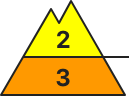
Danger level
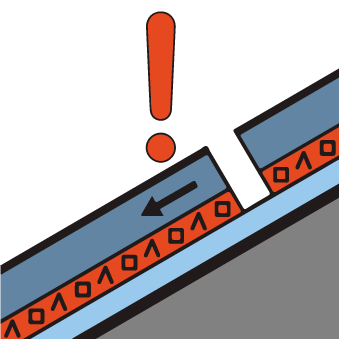
Avalanche Problem
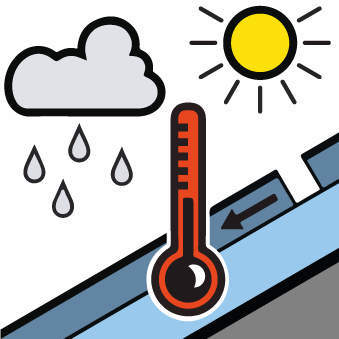
Wet snow
Wet-snow danger all day long
The snowpack can hardly freeze, softens up in morning. The danger of wet-snow avalanches (medium-sized) is heightened already in early morning and rises further due to daytime warming. On steep, smooth-ground slopes with lots of snow which have not yet discharged, glide-snow avalanches can trigger in all aspects.
Snowpack
Due to reduced nocturnal longwave outgoing radiation and ongoing mild temperatures, the snowpack does not freeze at night. At all altitudes the snowpack is thoroughly wet.
Tendency
Initially no change. Slopes becoming increasingly bare of snow.
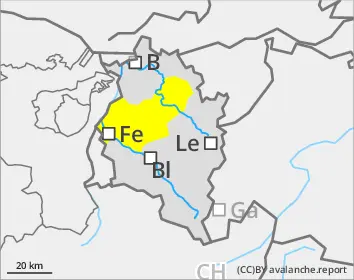
Danger level
Avalanche Problem
Wet snow
Small wet-snow slides possible
Wet loose-snow avalanches can trigger naturally, particularly on extremely steep slopes. Avalanches will be mostly small-sized.
Snowpack
South-facing slopes are frequently bare of snow. Where there’s a snowpack on the ground, it’s thoroughly wet.