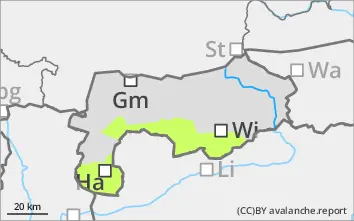
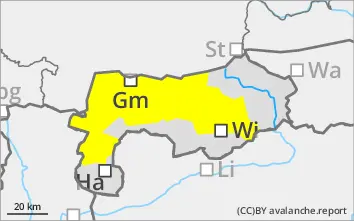
Beware of wet snow avalanches from undischarged terrain!
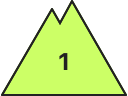
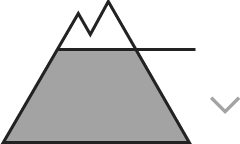
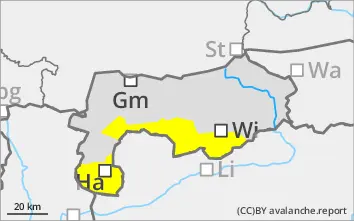
The avalanche risk is initially low, but soon increases to moderate. From terrain that has not yet been discharged, spontaneous or moist to wet medium loose snow or slab avalanches triggered by additional load are possible in all aspects. In the shady, very high elevations, slab avalanches can still be triggered occasionally in very steep terrain due to the old snow problem. Small fresh snowdrift accumulations can still occur in the ridgelines and summits.
Snowpack
The recent precipitation at a high snowfall level has brought additional moisture into the snowpack up to high altitudes. There may only be some fresh wind slab snow at higher elevations. Due to the lack of outgoing longwave radiation, the snow surface will only firm up very little overnight. The old snowpack is moist to wet up to high altitudes. However, weak layers may still be present in the old snowpack, which is not yet moist, at higher elevations and on shady slopes.
Tendency
No significant change in the avalanche situation.
EARLIER Danger level
Avalanche Problem
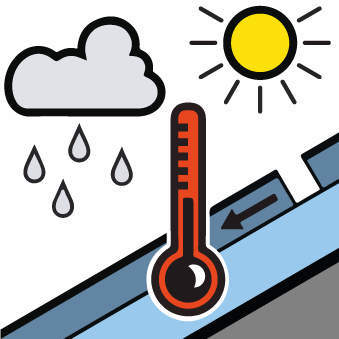
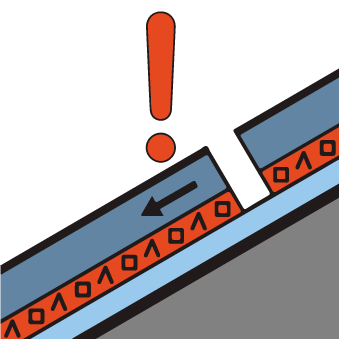
Wet snow
LATER Danger level
Avalanche Problem
Wet snow
Pay attention to the wet snow problem!
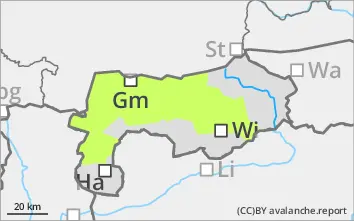
The avalanche risk is initially low, but soon increases to moderate. From terrain that has not yet been discharged, spontaneous or moist to wet medium loose snow or slab avalanches triggered by additional loads are possible in all aspects. Small fresh snowdrift accumulations could still occur in the highest ridgelines and summits.
Snowpack
The recent precipitation at a high snowfall level has brought additional moisture into the snowpack up to high altitudes. There may only be some fresh wind slab snow at higher elevations. Due to the lack of outgoing longwave radiation, the snow surface will only firm up very little overnight. The old snowpack is moist to wet up to high altitudes.