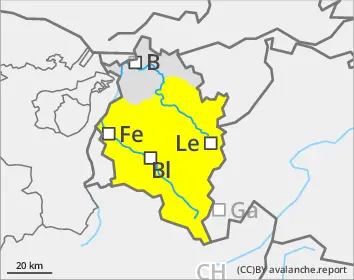
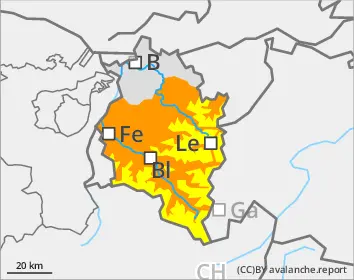
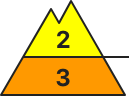
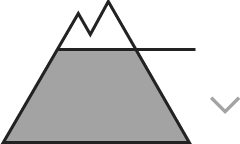
Daytime cycle of avalanche danger. Near-surface weak layers can often be triggered by winter sports enthusiasts.
Avalanche danger increases during the daytime despite the persistent weakness of the snowpack (even during the morning hours) due to lack of nocturnal outgoing longwave radiation and higher temperatures over the last few days. In very steep sunny terrain, likelihood of moist and wet-snow avalanches triggering will increase. They will remain mostly medium-sized. On steep grass-covered slopes, glide-snow avalanches are possible. Zones below glide cracks should be avoided. In addition, winter sports enthusiasts can trigger near-surface weak layers on high-altitude shady slopes. Danger zone are impossible to recognize and tend to increase slightly over the course of the day due to rising daytime temperatures. If near-surface avalanches fracture down to deeper layers inside the snowpack, they can in isolated cases grow to large size.
Snowpack
The transformation process of the fresh fallen snow from last week into firn-snow is not yet completed, depending on altitude and aspect. Noctunal longwave outgoing radiation leads to the surface re-freezing, generates a (sometimes) solid melt-freeze crust which then softens up during the daytime. On high-altitude shady steep slopes there are unfavorable intermediate layers in the uppermost metre of the snowpack which in places can be triggered. A solid mid-part of compact layers inside the snowpack blankects a fundament of buried hoar and faceted crystals.
Tendency
Over the next few days, a daytime rhythm of avalanche danger will set in.
EARLIER Danger level
Avalanche Problem
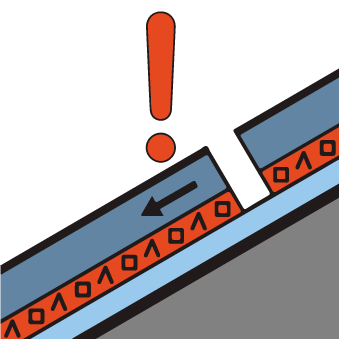
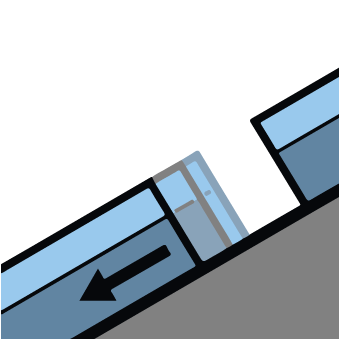
Gliding snow
LATER Danger level
Avalanche Problem
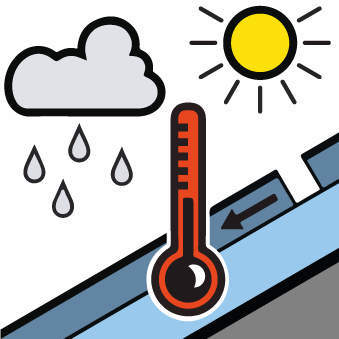
Wet snow
Main danger: wet-snow avalanches
Avalanche danger is low in the morning and rises to moderate during the course of the day. On steep slopes with lots of snow and a smooth underground which have not yet discharged, glide-snow avalanches can trigger at any time of day or night in all aspects. Zones below glide cracks should be avoided. Due to daytime warming and solar radiation, wet loose-snow avalanches can trigger naturally, particularly on extremely steep slopes. Avalanches can grow to medium size and place exposed hiking trails at risk.
Snowpack
The snowpack was weakened over the last few days due to lack of nocturnal outgoing radiation, local rain showers and daytime warming. It is thoroughly wet widespread.
Tendency
Over the next few days, a daytime rhythm of avalanche danger will set in.