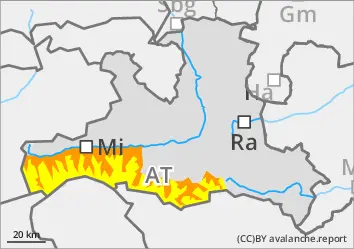
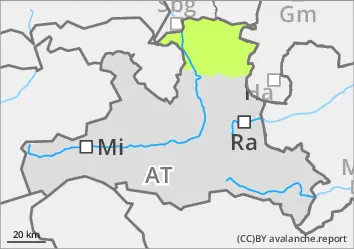
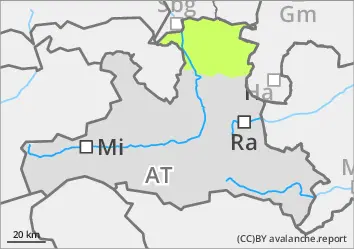
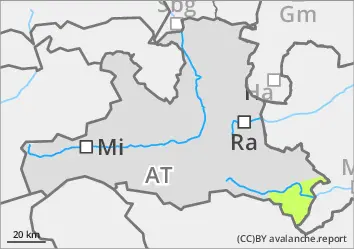
Rapid increase in avalanche risk as the temperature rises during the day and solar radiation increases.
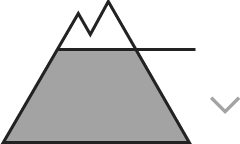
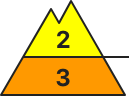
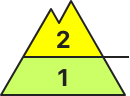
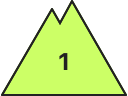
The avalanche danger increases rapidly from moderate to considerable below 2500 metres.
Small and medium, damp and wet loose snow avalanches and snow slabs are to be expected in all aspects below around 2500 m during the day. Wet avalanches can also be triggered by winter sports enthusiasts.
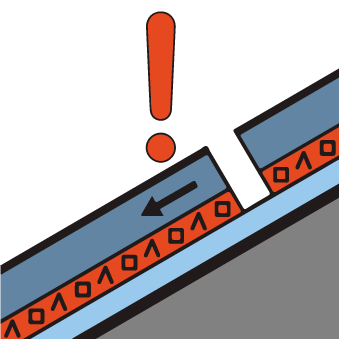
Gliding avalanches are to be expected on typical slopes.
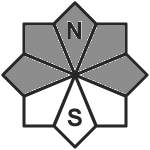
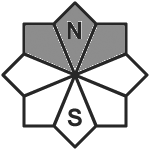
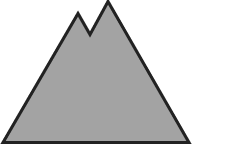
In a few places above 2200 m, snow slabs can also be triggered in persistent weak layers, especially on west-, north- and east-facing slopes, and also south-facing slopes in the high Alps. Snow slabs can reach medium size. Avalanche prone locations are difficult to recognise.
Occasionally, avalanches can tear through to the floating snow close to the ground and become large.
Snowpack
The melt-freeze crust in the morning softens quickly during the daytime changes. Heat and moisture are increasingly penetrating the snowpack, with only shady high and high alpine locations still having dry snow on the surface. At medium altitudes, the snow cover is already very wet down to the ground. On shady slopes from around 2200 metres upwards, the old snowpack contains angular shapes and deep rime. Fractures are most likely to occur on one of the uppermost crusts, and only occasionally in the floating snow close to the ground. Some of the snow glides off the ground.
Tendency
Little change.
EARLIER Danger level
2200m
Avalanche Problem
Persistent weak layer
2200m
Wet snow
LATER Danger level
Avalanche Problem
Wet snow
Persistent weak layer
2200m
During the daytime changes, wet avalanches are more likely to be triggered.
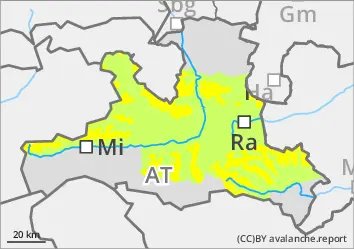
From around 2200 m there is a moderate avalanche risk, below this it increases from low to moderate during the day.
Small and medium, damp and wet loose snow avalanches and snow slabs are to be expected in all aspects below around 2500 m during the day. Wet avalanches can also be triggered by winter sports enthusiasts.
Gliding avalanches are to be expected on typical slopes.
In a few places above 2200 m, snow slabs can also be triggered in the extended northern sector in weak persistent layers and reach medium size.
Snowpack
The morning melt-freeze crust softens during the day changes. Heat and moisture increasingly penetrate the snowpack, with dry snow still on the surface only at shady high altitudes. At mid-altitude, the snow is already wet down to the ground. On shady slopes from around 2200 metres upwards, the old snowpack contains angular shapes and deep rime. Fractures are most likely to occur on one of the uppermost crusts and only rarely in the floating snow near the ground. Some of the snow glides off the ground.
Tendency
Little change.
EARLIER Danger level
LATER Danger level
Avalanche Problem
Wet snow
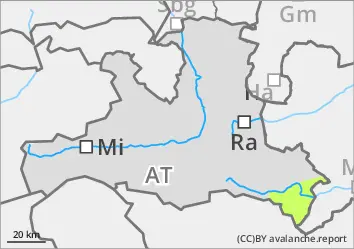
Few small wet avalanches.
The avalanche risk is low. As the weather warms up and when there is plenty of sunshine, small wet avalanches can occur spontaneously or be triggered by a winter sports enthusiast. Gliding avalanches also occur occasionally.
Snowpack
The morning melt-freeze crust softens during the day. The snowpack is moist to wet right down to the ground. The snow cover is thinning rapidly.
Tendency
Little change.
EARLIER Danger level
LATER Danger level
Avalanche Problem
Wet snow
During the daytime changes, wet avalanches are more likely to be triggered.
The avalanche risk is low. During the daytime changes, the triggering of wet avalanches increases slightly. Wet avalanches can mainly come from multiple starting zones that are not yet fully discharged. These are usually small but can also be easily triggered by individual winter sports enthusiasts. The risk of being swept away and falling should be taken into account.
Snowpack
The outgoing longwave radiation at night is quite good. The snow surface freezes solid and softens during the day changes. Sun and heat lead to increasing soaking of the snowpack.
Rather snow-poor shady slopes above around 1900 m: The lower part of the snowpack is faceted.
There is hardly any snow on steep sunny slopes at low and medium altitudes.