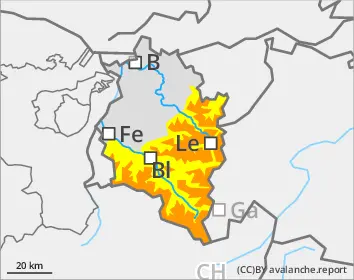
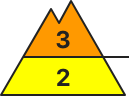
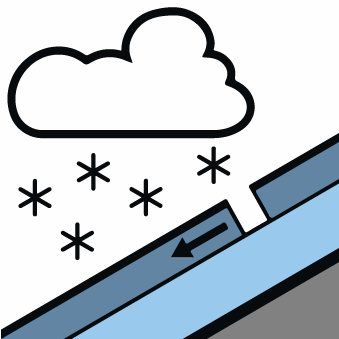
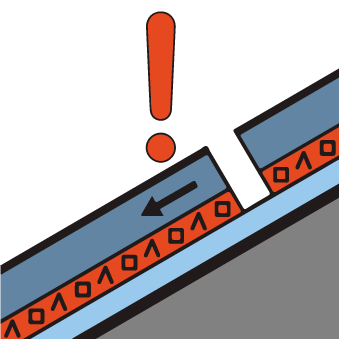
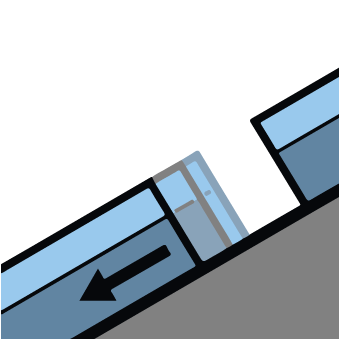
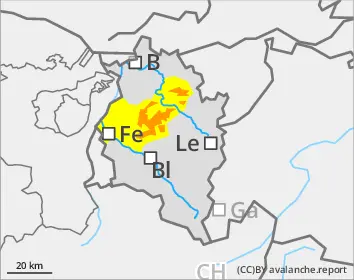
Avalanche danger above 1800m is considerable, below that altitude danger is moderate. Fresh snow and far-reaching snowdrift accumulations are easily triggered in all aspects in many places. Slabs can be triggered by minimum additional loading and grow to medium-to-large sized releases. Settling noises when treading the snowpack can indicate imminent danger. In particular on west, north and east-facing slopes, avalanches can fracture down to ground level layers and grow to large size. On very steep sunny grass-covered slopes, glide-snow avalanches can slide downhill and reach medium size. Due to solar radiation, loose-snow avalanches can be expected in steep rocky terrain.
Snowpack
The frequently storm-strength NW winds have transported the fresh snow, generated large-sized trigger-sensitive snowdrift accumulations in many places. The fresh fallen snow has already settled somewhat. Inside the fresh snow and drifts are weak intermediate layers and graupel. Beneath a melt-freeze crust in the upper third of the old snowpack there are often faceted crystals. The mid-section of the snowpack consists of well-settled, compact layers which on shady high-altitude slopes blanket a poorly structured old snowpack fundament.
Tendency
Avalanche danger is not expected to change significantly.
Danger level
1800m
Avalanche Problem
New snow
1800m
New snow
1800m
Gliding snow
2000m
Caution: considerable avalanche danger widespread at high altitudes
Avalanche danger above 1800m is considerable, below that altitude danger is moderate. Fresh snow and far-reaching snowdrift accumulations are easily triggered in all aspects in many places. Slabs can be triggered by minimum additional loading and grow to medium-to-large sized releases. Settling noises when treading the snowpack can indicate imminent danger. On very steep sunny grass-covered slopes, glide-snow avalanches can slide downhill and reach medium size. Due to solar radiation, loose-snow avalanches can be expected in steep rocky terrain.
Snowpack
The often stormy NW wind transported much fresh fallen snow, generating large-sized trigger-sensitive snowdrift accumulations in many places. The fresh fallen snow has already settled somewhat. Inside the fresh snow and drifts are weak intermediate layers and graupel. The old snowpack is well consolidated and compact, by and large.
Tendency
Avalanche danger is not expected to change significantly.
Danger level
1500m
Avalanche Problem
New snow
1500m
Gliding snow
2000m
Weak intermediate layers between fresh snow and drifts
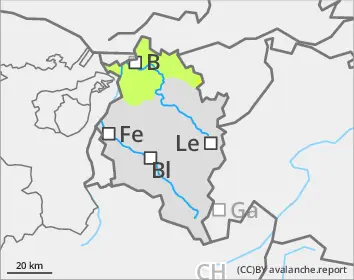
Avalanches of small-to-medium size can easily be triggered by one single winter sports enthusiast. Danger zones occur behind sharp drops in the terrain and in wind-loaded gullies and bowls. The fresh snow on south-facing slopes covers the ground which previously was bare of snow, which will now begin to glide. As a result of solar radiation, moist slides from the fresh fallen snow can be expected during the afternoon hours.
Snowpack
The often stormy NW wind transported much fresh fallen snow, generating large-sized trigger-sensitive snowdrift accumulations in many places. The fresh fallen snow has already settled somewhat. Inside the fresh snow and drifts are weak intermediate layers and graupel. Fresh snow and drifts lie generally deposited atop an old snowpack surface on shady slopes, otherwise on ground which is bare of snow.
Tendency
Avalanche danger is not expected to change significantly.