Danger level
 | treeline |
|  |
|  | ||||
|  |  |
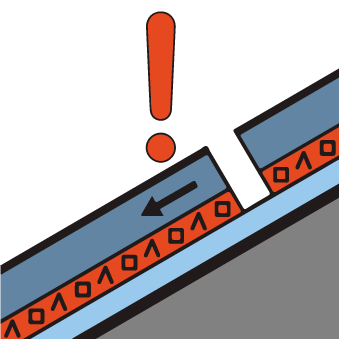

In the high altitudes, continue to take the persistent weak layer problem into account
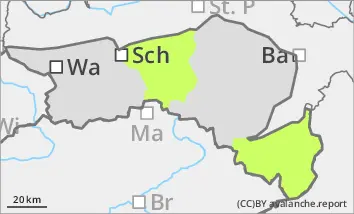
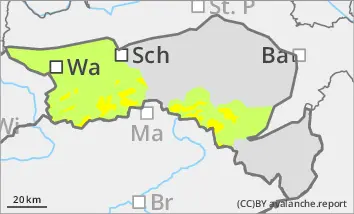
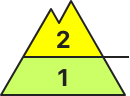
The avalanche risk is moderate above the tree line and low below. In high areas on shady slopes above the tree line, small to medium-sized slab avalanches can still be triggered by winter sports enthusiasts in a few places, but usually only with a large additional load. The most likely avalanche prone locations are at the entrances to snow-covered gullies and bowls and at the transition from little to more snow. Small, wet loose snow slides or gliding avalanches can still occasionally detach themselves from unloaded hands, but many areas are already unloaded. In exposed areas, the snow surface is hard and icy in places and there is a risk of falling.
Snowpack
With the clouds at night, the snow surface can hardly cool down and is already soft and not load-bearing in the morning. Depending on the aspect, the snowpack is damp or wet up to high altitudes. On steep grassy slopes and forest embankments with large snow reserves, the entire snowpack can start to glide snow. At shady high altitudes, there are prone to triggering weak layers at the transition to the hardness of the old snowpack. This is unfavourably structured and weakened in places with embedded crusts and faceted crystals.
Tendency
There is a mixture of sun and clouds. No significant change in the avalanche danger.