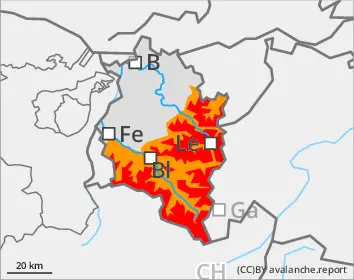
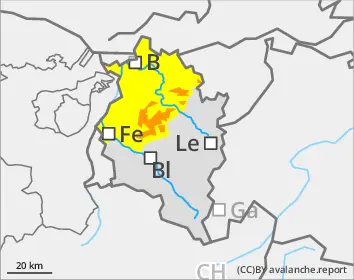
Winter sports enthusiasts beware: high avalanche danger widespread
The large amounts of fresh snow and drifts are prone to triggering. Avalanches can easily be triggered by one single winter sports enthusiast in all aspects. In isolated cases, also naturally triggered avalanches can be expected. Exposed areas can be placed at risk. Danger zones occur on steep slopes, behind drops in the landscape and in wind-loaded gullies and bowls. Frequency and spread of avalanche prone locations increase with ascending altitude. Whumpf noises and fractures which appear when treading upon the snowpack, as well as freshly released avalanches are alarm signals. Activities in outlying terrain are currently dangerous.
Snowpack
By Friday midday an additional 10-20cm of fresh snow, locally more, is anticipated. The large amounts of fresh fallen snow continually are transported in varying directions, new snowdrift accumulations generated, but they are difficult to recognize since constantly getting blanketed with fresh snowfall. Bonding to the unfavorable snowpack is usually weak. Several large and very large avalanche releases from artificial (explosive) triggerings, remote triggerings and triggerings by winter sports enthusiasts confirm just how prone to triggering the snowpack is.
Tendency
The danger of naturally triggered avalanches is diminishing gradually. For winter sports enthusiasts the situation remains treacherous. As a result of the forecast higher temperatures, wet-snow and glide-snow avalanches will be possible particularly at low and intermediate altitudes.
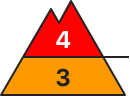
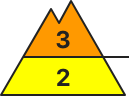
Danger level
treeline
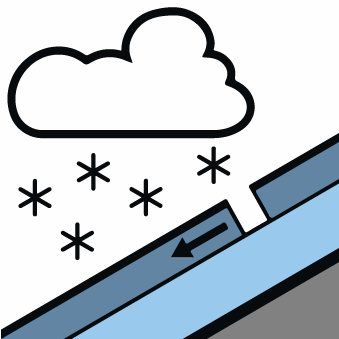
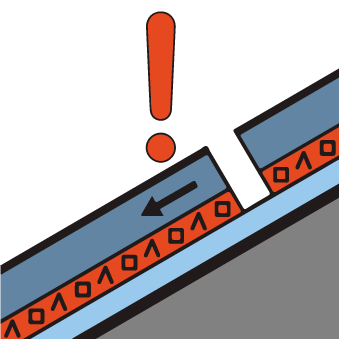
Avalanche Problem
Wind slab
Treeline
Persistent weak layer
1800m
Considerable avalanche danger at high altitudes.
Considerable avalanche danger prevails. Avalanches can easily be triggered by one single winter sports enthusiast. Danger zones occur on steep slopes in all aspects, behind drops in the landscape and in wind-loaded gullies and bowls. Frequency and spread of avalanche prone locations increase with ascending altitude. Whumpf noises and fractures which appear when treading upon the snowpack, as well as freshly released avalanches are alarm signals. Activities in outlying terrain demand cautious assessment of the terrain and careful evaluation of the dangers. The inexperienced should not leave secured ski runs.
Snowpack
By Friday midday additional 10-20cm of fresh snow, locally more, is anticipated. The large amounts of fresh fallen snow are continually being transported in varying directions, new snowdrift accumulations generated, but they are difficult to recognize since constantly getting blanketed with fresh snowfall. Fresh snow/drifts have settled slightly, but bonding to the unfavorable snowpack is usually weak.
Tendency
Avalanche danger is diminishing only gradually. As a result of the forecast higher temperatures, wet-snow and glide-snow avalanches will be possible.