The current snowpack pattern is uncommon and requires special attention and caution!
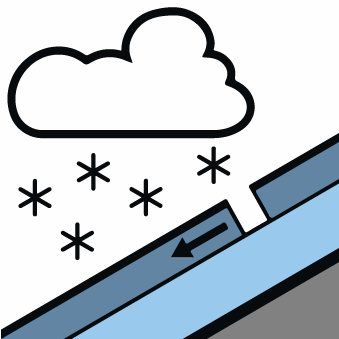
New fallen snow in the high alpine regions, weak layers persist.
In particular, even a small additional load can trigger a small avalanche on snowdrift accumulations. A triggered avalanche or an otherwise large Additional load may exceed the load-bearing capacity of the deep hard layers, triggering a deep and widespread (large) avalanche. Such weak layers are particularly abundant in the axis above the forest, but are not excluded elsewhere. Gliding avalanches also occur on steep smooth slopes.
Snowpack
dp.1: deep persistent weak layer dp.4: cold following warm / warm following cold
Snow has melted on the highest peaks of the sunny slopes in recent days, while only the high alpine regions have remained dry. Up to 10 cm of new fallen snow has fallen since Tuesday afternoon, and up to 30 cm in the Southern Julian Alps. The snowfall level was around 1300 m most of the time, rising to 1700 m towards the end of the precipitation. The snowpack is thinned to around 1700 m due to the rain, and a Crust will form as it cools.
The old snow cover is made up of layers of bonded snow that are already somewhat compacted and mostly well interconnected. The cohesion of the layers of blown snow in snowdrift accumulations built up by the southerly wind during the snowfall is weaker. In the old snow cover, there are several weak layers of shreds and sheared grains deep below the surface.
Tendency
The avalanche danger will remain similar until the end of the week. There will be a little more New fallen snow on Thursday and sunny skies on Friday.
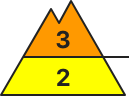
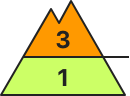
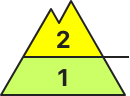
Danger level
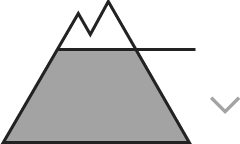
1800m
Avalanche Problem
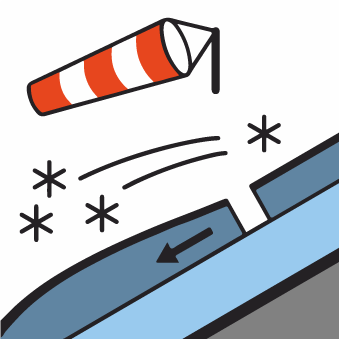
Wind slab
1800m
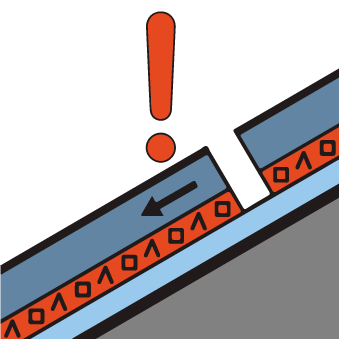
Persistent weak layer
1800m
New snow
Treeline
The current snowpack pattern is uncommon and requires special attention and caution!
New fallen snow in the high alpine regions, weak layers persist.
In particular, even a small additional load can trigger a small avalanche on snowdrift accumulations. A triggered avalanche or an otherwise large Additional load may exceed the load-bearing capacity of the deep hard layers, triggering a deep and widespread (large) avalanche. Such weak layers are particularly abundant in the axis above the forest, but are not excluded elsewhere. Gliding avalanches also occur on steep smooth slopes.
Snowpack
dp.1: deep persistent weak layer dp.4: cold following warm / warm following cold
Snow has melted on the highest peaks of the sunny slopes in recent days, while only the high alpine regions have remained dry. Up to 10 cm of new fallen snow has fallen since Tuesday afternoon. The snowfall level was around 1300 m most of the time, rising to 1700 m towards the end of the precipitation. The surface of the snowpack has been thinned by the rain up to about 1700 m, and a Crust will form as it cools.
The old snow cover is made up of layers of bonded snow that are already somewhat compacted and mostly well interconnected. The layers of blown snow in snowdrift accumulations built up by southerly winds during the snowfall are less well connected. In the old snow cover, there are several weak layers of shreds and faceted snow crystals deep below the surface.
Tendency
The avalanche danger will remain similar until the end of the week. There will be a little more New fallen snow on Thursday and sunny skies on Friday.
Danger level
2000m
Avalanche Problem
Persistent weak layer
2000m
Wind slab
Weak layers in persistent weak layers are prone to triggering!
The avalanche risk increases rapidly with altitude from the tree line and is considerable above around 2000 metres. The situation remains precarious for winter sports. Medium-sized slab avalanches can easily be triggered by individuals in some places, especially from west to north to east. There is a high likelihood that surface-triggered avalanches will tear through to deeper layers. Avalanche prone locations are hardly recognisable and require a defensive choice of route. Take particular care near transitions from little to much snow and in the entrance areas to steep gullies.
Snowpack
The surface of the snowpack is crusted or marked by the wind. Fresh and older/hard wind slabs overlay soft layers (surface hoar, faceted crystals). In general, areas with little snow alternate with considerable snowdrift accumulations. Breaks occur either in soft layers near the surface or around the crust that forms the transition to the completely angular old snowpack. The overall snow depth is well below average.
Tendency
Little change - combined persistent weak layer problem.
Danger level
treeline
Avalanche Problem
Wind slab
Treeline
Persistent weak layer
2000m
Freshly generated snowdrifts atop unfavorable old snowpack
Freshly generated snowdrift accumulations can still be triggered, particularly in ridgeline terrain, gullies and bowls in all aspects. Due to increasing winds and fresh snowfall, frequency of danger zones will increase during the daytime hours and with ascending altitude. Marked weak layers in the old snowpack can be triggered by one single winter sports enthusiast, particularly on steep, little skied on slopes. The danger zones are not visible. Triggered avalanches can grow to medium size. Whumpf noises and fractures when treading on the surface are alarm signals. Activities in backcountry demand careful evaluation of the terrrain and assessment of the dangers. In zones where there is rain impact, wet snowslides and avalanches are possible.
Snowpack
Fresh snow and drifts lie deposited on top of an often melt-freeze encrusted snowpack surface, otherwise atop surface hoar. Especially on steep shady slopes, the frequently unfavorable base is poorly-to-moderately consolidated. In zones with rain impact, the snowpack will be temporarily weakened.
Tendency
As a result of further fresh snowfall and wind, avalanche danger will increase somewhat. Triggerings in the old snow are still possible.
Danger level
1800m
Avalanche Problem
Persistent weak layer
1800m
Wind slab
Treeline
Beware fresh snowdrift accumulations
Freshly generated snowdrift accumulations are prone to triggering, occur particularly in ridgeline terrain, gullies and bowls in all aspects. Due to increasing winds and snowfall, frequency of danger zones increases with ascending altitude and during the course of the day. A single winter sports enthusiast can trigger medium-sized slab avalanches in some places, particularly on high-altitude steep shady slopes and in extremely steep terrain, which then trigger down to deeper layers inside the snowpack. In zones where there is rain impact, wet snowslides and avalanches are possible.
Snowpack
A small amount of fresh snow and drifts lie deposited on top of an often melt-freeze encrusted snowpack surface, otherwise atop surface hoar. Especially on steep shady slopes, the often unfavorable base and intermediate layers of the old snowpack have persisted. In zones with rain impact, the snowpack will be temporarily weakened.
Tendency
As a result of more fresh snowfall and wind, avalanche danger will increase somewhat.
Danger level
1900m
Avalanche Problem
Persistent weak layer
1900m
Wind slab
Weak layers in persistent weak layers remain prone to triggering
The avalanche risk is moderate above around 1800 metres and low below. There is still a persistent weak layer problem. The avalanche prone locations are limited but still difficult to recognise. These are mainly located on north to east-facing slopes above 1900 metres. Here, slab avalanches can still be triggered by individuals in some places. Medium-sized avalanches are possible when breaking through the weak old snowpack. Small loose snow slides are possible at medium altitudes.
Snowpack
The snow cover is prone to triggering in places in higher, steeper areas in the transition to the old snowpack due to soft layers such as snow-covered surface hoar. There is significantly more snow in shady gullies and bowls than on sunny slopes. In the northern and eastern exposures, the old snowpack continues to be weakened by crusts and layers with faceted crystals and floating snow; the persistent weak layer problem remains. There is still significantly less snow than average.
Tendency
Towards the middle of the week, clouds from a warm front will replace the sunshine and bring local rain or snow showers with a snowfall level of around 1500 metres.
No significant change in the avalanche risk.
Danger level
1800m
Avalanche Problem
Persistent weak layer
1800m
Persistent weak layer problem in the high altitudes!
The avalanche risk is moderate at high altitudes. Medium slab avalanches can occasionally be triggered here in steep terrain even with a small additional load. Mainly in the high altitudes, attention should be paid to steep slopes in the northern sector, partly adjacent to ridgelines on the east side, transitions from little to more snow as well as steep gullies and bowls. Avalanche prone locations are difficult to recognise.
Snowpack
There are only a few centimetres of snow in places during the day. At higher elevations, the snowpack contains thin melt-freeze crusts and faceted crystals near the ground on the north and shady slopes, some of which are floating snow. The snowpack is still very unevenly distributed, with only a little snow even at higher altitudes.
Tendency
Due to new fallen snow in the night from Thursday to Friday and wind, there is fresh wind slab.
Danger level
1200m
Avalanche Problem
Gliding snow
1200m
New snow
Treeline
Increased amount of new snow in the highest parts of the mid-mountains, snowdrift accumulations
Blowing snow, gliding avalanches.
In particular, even a small additional load can trigger a small avalanche on snowdrift accumulations. Gliding avalanches also occur on steep, smooth slopes.
Snowpack
Up to 30 cm of New fallen snow fell above 1200 m. New fallen snow fell on an almost level surface. The old snow cover is made up of layers of bonded snow that are already somewhat compacted. A depth hoar has formed at the interface between the snowpack and the ground.
Tendency
The danger of avalanches will remain similar.
Danger level
1800m
Avalanche Problem
Persistent weak layer
1800m
Weak layers in persistent weak layers remain prone to triggering
The avalanche risk is moderate above around 1800 metres and low below. Slab avalanches can still be triggered by individuals in some places, especially from west to north to east. Avalanches can tear through the persistent weak layer and thus become medium sized. Some avalanche prone locations are difficult to recognise and require a defensive choice of route. Take particular care near transitions from little to more snow and in the snow-covered entrance areas to steep gullies.
Snowpack
The snowpack can form a crust in the morning and is also partly wind-blown at high altitudes. Bonded snow overlays soft layers on the surface (e.g. surface hoar, faceted crystals) or older, hard packets of drift snow. In general, areas with little snow alternate with considerable snowdrift accumulations. Breaks occur either in soft layers near the surface or around the crust that forms the transition to the completely angular old snowpack. The overall snow depth is well below average.
Tendency
The persistent weak layer problem remains.
Danger level
treeline
Avalanche Problem
Wind slab
Treeline
Persistent weak layer
1800m
Above the tree line, fresh snowdrift accumulations, some of them prone to triggering, will develop during the night to Thursday.
The avalanche risk is moderate above the tree line and low below it. The main problem is wind slab avalanches. Medium-sized slab avalanches can be triggered even with a small additional load. Avalanche prone locations are located above the tree line on steep slopes with aspects from north-west to north to east, as well as in gullies and bowls.
Occasionally, small and medium slab avalanches can also be triggered in persistent weak layers. This is particularly conceivable on very steep shady slopes above 1800 m with a high additional load, for example if a small, superficial avalanche breaks through to deeper, weak layers.
Snowpack
Some of the fresh wind slab lies on surface hoar, soft powder or thin wind and melt-freeze crusts prone to triggering on the old snow surface. Individual, poor snow cover test results indicate that it is still possible to trigger snow slabs in deeper, built-up layers at higher elevations. There is a lack of old snowpack up to high altitudes on the south side, and exposed terrain on the west side is often blown off. Overall, there is little snow.
Tendency
Increase in avalanche danger with up to 40 cm of new fallen snow and storm.
Danger level
treeline
Avalanche Problem
Persistent weak layer
Treeline
Low avalanche danger, but persistent weak layer problems in the northern and eastern exposures!
The avalanche risk is low. In the northern and eastern exposures, there is still a persistent weak layer problem at altitudes above the tree line. In steep terrain, avalanches can be triggered in a few places. However, even if the old snowpack is torn through, the avalanches usually remain small. In general, the risk of entrainment, falling and injury outweighs the risk of burial. However, be careful in the area of terrain traps.
Sunny slopes can release wet slides from very steep slopes.
Snowpack
There is still significantly less snow than average. A thin layer partially covers a very variable and mostly hard or crusted can form old snowpack. There is significantly more snow in shady gullies and bowls than on sunny slopes, some of which are partly bare up to 2000 metres. In the northern and eastern exposures, the snowpack continues to be weakened by layers with faceted crystals and floating snow down to the foundations, and the persistent weak layer problem remains.
Tendency
Thick patches of high fog will persist below 2000 metres, particularly on the southern side of the Alps. On the northern side of the Alps, these may clear in foehn-like southerly winds. No significant change in the avalanche danger.
Danger level
treeline
Avalanche Problem
Wind slab
Treeline
Persistent weak layer
1800m
Too little snow for ski tours off the secured pistes.
The avalanche risk is low. Occasionally, fresh wind slab snow is problematic above the tree line. Small snow slabs can be triggered in a few places in steep terrain in the north-west to north to east aspects. The risk of falling and injury is greater than the danger of burial.
Occasionally, small snow slabs can also be triggered in persistent weak layers. This is particularly conceivable on very steep shady slopes above 1800 metres with a high additional load.
Snowpack
In some places, small snowdrift accumulations lie on surface hoar, soft powder or thin wind and melt-freeze crusts prone to triggering on the old snow surface. Individual, poor snow cover test results indicate that it is still possible to trigger snow slabs in deeper, built-up layers at higher elevations. There is a lack of old snowpack up to high altitudes on the south side, and exposed terrain on the west side is often blown off. Overall, there is little snow.
Tendency
The risk of avalanches increases with new fallen snow and storms.
Danger level
Avalanche Problem
Persistent weak layer
Low avalanche danger with mostly little snow.
The avalanche risk is low. Small slab avalanches can be triggered in steep gullies and bowls in isolated places at high altitudes. Avalanche prone locations are covered by a thin layer of snow and are often difficult to recognise. In general, the risk of being swept away, falling and injury outweighs the risk of burial. However, be careful in the area of terrain traps.
Snowpack
There is still little snow. The snowpack is damp or crusted can form in places. In the higher elevations, however, angular snow crystals are still weakening the stability on shady slopes. Above this, in the extended eastern sector, there may also be a thin, bound layer, which in some cases is not well bonded to the old snowpack.
Tendency
Thick patches of high fog will persist below 2000 metres, particularly on the southern side of the Alps. On the northern side of the Alps, these may clear in foehn-like southerly winds. No significant change in the avalanche danger.
Danger level
1800m
Avalanche Problem
Persistent weak layer
1800m
Local persistent weak layer problem!
The avalanche danger remains low. Mostly small slab avalanches can be triggered in steep terrain in places by even a small additional load. Attention should be paid to steep slopes adjacent to ridgelines, transitions from little to more snow and steep gullies, mainly in the northern sector, partly on the east side.
Snowpack
There are only a few centimetres of snow in places during the day. At higher elevations, the snowpack contains thin melt-freeze crusts and faceted crystals near the ground on the north and shady slopes, some of which are floating snow. The snowpack is still very unevenly distributed, with only a little snow even at higher altitudes.
Tendency
Due to new fallen snow in the night from Thursday to Friday and wind, there is fresh wind slab.
Danger level
treeline
Avalanche Problem
Persistent weak layer
Treeline
Low avalanche danger, but watch out for older wind slabs in the north and east aspects!
The avalanche risk is low. In a few places at high altitudes, old and fresh snowdrift accumulations can be triggered as small slab avalanches in steep and shady gullies and bowls. Due to icy surfaces, the risk of falling is greater than the avalanche risk in many places.
Snowpack
There is still little snow. The snowpack is mostly moist or crusted can form, but in the higher elevations, angular snow crystals are still weakening the stability on shady slopes.
Tendency
Extensive cloud fields in most regions will only allow a little sunshine in between. It will remain mild. No change in the avalanche risk is expected.
Danger level
Low avalanche danger and little snow
The avalanche risk is low. Isolated avalanche prone locations are still conceivable in steep, on shady slopes leading to wind slab-filled gullies in the summit areas. In general, the risk of injury from stones and the risk of falling on hard or icy surfaces outweighs the risk of burial.
Snowpack
The snow cover is low, steep sunny slopes are often bare. Where there is snow, the snow surface is often encrusted and only in wind-protected, on shady slopes is it still soft in places. Edged persistent weak layers weaken the thin snow base, fundament if present.
Tendency
No significant change in avalanche danger.
Danger level
2000m
Avalanche Problem
Persistent weak layer
2000m
Few avalanche prone locations due to persistent weak layers of snow
The avalanche risk is low. Above around 2000 metres, small slab avalanches can still be triggered in a few places in the steep terrain looking from northwest to north to east. Danger areas are located at the transition from little to more snow and generally next to blown-off areas as well as in the entrance areas to gullies and bowls filled with wind slab. The risk of falling and injury generally outweighs the risk of burial, be careful in the area of terrain traps.
Snowpack
The snowpack is often encrusted on the surface, only in wind-protected, high altitudes on shady slopes is the snow still dry and soft. Particularly in northern and eastern aspects, bonded snow partially overlays a weak old snowpack, which now consists mainly of faceted crystals or deep rime. Prone to triggering weak layers are mainly found in the weak old snow foundation.