The current snowpack pattern is uncommon and requires special attention and caution!
Large amount of new snow, snowdrift accumulations and a weak layer in the old snow cover.
New fallen snow has put additional load on the weak layers in the old snow cover. Places with blown snow and shady areas where there is a weak layer deep in the snowpack are dangerous.
Snow will continue to fall during the day, with southerly winds blowing new fallen snow and building up larger snowdrift accumulations. Avalanches, possibly major, will occur spontaneously. In the current conditions, we advise against visiting the high alpine regions! In parts of the mid-mountains where it rains, wet snow avalanches and gliding avalanches may occur.
Snowpack
dp.1: deep persistent weak layer dp.4: cold following warm / warm following cold
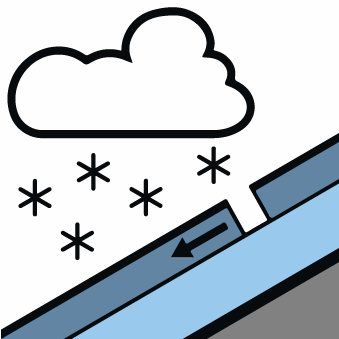
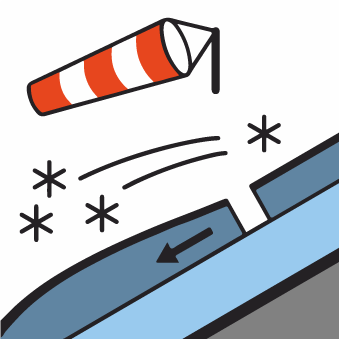
Previous snowfalls have brought more snow on top of a weak snowpack. Snow will continue during the day, with the snow line mainly between 1100 m and 1400 m. This snow episode will bring 60-80 cm of New fallen snow to the high alpine regions by Thursday morning. South to south-easterly winds, which will strengthen during the day, will build up new drifts on the leeward sides of the ridges. Deep and persistent weak layers are present in the old snow cover. The snowpack is unstable.
Tendency
Some new fallen snow will fall in the coming days, but conditions will remain challenging.
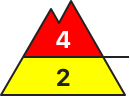
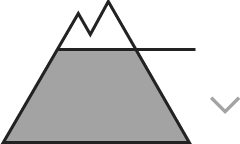
Danger level
treeline
Avalanche Problem
Wind slab
Treeline
Persistent weak layer
2200m
Persistent weak layer
2200m
Weak old snow layers blanketed by drifts.
Marked weak layers in the old snowpack can still easily be triggered by one single winter sports enthusiast, especially above 2200m on steep, little-skied slopes. The danger zones are not visible. Remote triggerings are possible. Fresh snowdrift accumulations occur increasingly in ridgeline terrain and in wind-loaded gullies and bowls. Avalanches which release can fracture to deeper layers in the old snowpack and grow to medium size. Whumpf noises and fractures when treading on the surface are alarm signals. Activities in backcountry demand careful evaluation of the terrrain and assessment of the dangers. Restraint is advised.
Snowpack
Yesterday’s stormy winds generated trigger-sensitive snowdrift accumulations, deposited on top of a weak old snowpack surface above the timberline, often on loose snow or surface hoar (particularly on steep shady slopes). Avalanches triggered by winter sports enthusiasts confirm how prone to triggering the snowpack is.
Tendency
Weak layers in the old snow can still be triggered by one single winter sports enthusiast. The likelihood of fresh drifts triggering will decrease only gradually.
Danger level
treeline
Avalanche Problem
New snow
Treeline
Wind slab
Treeline
Persistent weak layer
Treeline
Wet snow
1400m
The current snowpack pattern is uncommon and requires special attention and caution!
New fallen snow, blowing snow and weak layers in the snowpack in the high alpine regions
New fallen snow has put additional load on the weak layers in the old snow cover. Places with blown snow and shady areas where there is a weak layer deep in the snowpack are dangerous.
Snow will continue to fall during the day, with southerly winds blowing new fallen snow and building up larger snowdrift accumulations. Spontaneous avalanches will occur. In the current conditions, we advise against visiting the high alpine regions! In parts of the mid-mountains where it is raining, wet snow avalanches and gliding avalanches may occur.
Snowpack
dp.1: deep persistent weak layer dp.4: cold following warm / warm following cold
Previous snowfalls have brought more snow on top of a weak snowpack. Snow will continue during the day, with the snow line mainly between 1100 m and 1400 m. During this snow episode, around 50 cm of New fallen snow will have fallen in the High alpine regions by Thursday morning. South to south-easterly winds, which will strengthen during the day, will build up new drifts on the leeward sides of the ridges. Deep and persistent weak layers are present in the old snow cover. The snowpack is unstable in many places.
Tendency
Some new fallen snow will fall in the coming days, but conditions will remain challenging.
Danger level
treeline
Avalanche Problem
Wind slab
Treeline
Persistent weak layer
2000m
Fresh wind slab forms snow slab on weak old snowpack
The avalanche risk is considerable above the tree line and low below. A soft snow surface and surface hoar are further overlaid by strong southerly foehn with fresh wind slabs. Heat input leads to a better formed snow slab. Medium-sized slab avalanches can easily be triggered by individuals in some places, especially from west to north to east, but also in a few places in the and south sector. If fresh wind slabs are disturbed, there is a high likelihood of avalanches breaking through to deeper layers. The old snowpack is poorly built up across the board: Avalanche prone locations are barely recognisable and require a defensive route choice. Take particular care near transitions from a little to a lot of snow and in the blown-in entrance areas to steep gullies. Remote triggering is possible in isolated cases.
Snowpack
The snowpack is highly variable and areas with little snow alternate with considerable snowdrift accumulations. In general, there is either a surface crust or fresh layers of drift snow on top of older, often hard packs of drift snow, which are in the initial stages of kinetic metamorphism. Fractures usually occur close to the crust, which forms the transition to the completely angular old snowpack. Under this crust, the old snowpack consists mainly of deep rime and angular forms, which are interspersed with other crusts in areas with more snow. On the ground, snow from early winter can sometimes be found in the form of a hardness melt-freeze crust.
Tendency
The avalanche risk increases slightly with new fallen snow and wind.
Danger level
treeline
Avalanche Problem
Wind slab
Treeline
Persistent weak layer
Circumvent fresh snowdrift accumulations!
A single winter sports enthusiast can trigger small slab avalanches in some places, particularly in ridgeline terrain and in wind-loaded gullies and bowls. If releases then sweep away deeper weak layers of the snowpack, the avalanche can in isolated cases grow to medium size. Danger zones are impossible to spot. Whumpf noises and fractures forming on the surface are alarm signals.
Snowpack
Storm-strength foehn winds generated trigger-sensitive snowdrift accumulations. They lie deposited atop loose snow or surface hoar in many places, or else atop a melt-freeze encrusted old snowpack surface. Particularly on steep shady slopes, the unfavorable snow base and intermediate layers of the snowpack have often persisted.
Tendency
The likelihood of fresh drifts triggering will decrease only gradually. Unfavorable snow base and intermediate layers will persist.
Danger level
treeline
Avalanche Problem
Wind slab
Treeline
Persistent weak layer
2000m
Fresh wind slab forms snow slab on weak old snowpack
The avalanche risk is moderate above the tree line and low below. A soft snow surface and surface hoar are further overlaid by southerly foehn with fresh wind slabs. Heat input leads to a better formed snow slab. Medium-sized slab avalanches can be triggered by individuals in some places, especially from west to north to east, but also in a few places in the southern sector. Fractures in the fresh wind slab can tear through the persistent weak layer and tend to propagate. Avalanche prone locations in the persistent weak layer are barely recognisable and require a defensive choice of route. Take particular care near transitions from a little to a lot of snow and in the blown-in entrance areas to steep gullies.
Snowpack
The snowpack is highly variable and areas with little snow alternate with considerable snowdrift accumulations. In general, there is either a surface crust or a few centimetres of fresh windslab snow on top of older, often hard wind slabs, which are in the initial stages of kinetic metamorphism. Fractures usually occur close to the crust, which forms the transition to the completely angular old snowpack. Below this crust, the old snowpack consists of deep rime and angular forms, which are interspersed with further crusts in areas with more snow. The overall snow depth is well below average.
Tendency
The avalanche risk increases slightly with new fallen snow and wind.
Danger level
treeline
Avalanche Problem
Wind slab
Treeline
Persistent weak layer
2000m
Fresh wind slab forms snow slab on weak old snowpack
The avalanche risk is moderate above the tree line and low below. A soft snow surface and surface hoar are overlaid by strong southerly foehn with fresh wind slabs. Medium-sized slab avalanches can be triggered by individuals in some places, especially from north to east, but also in a few places in the west and south sectors. Fractures in the fresh wind slab can tear through the persistent weak layer and tend to propagate. Avalanche prone locations in the persistent weak layer are hardly recognisable and should be assessed defensively. Take particular care near transitions from a little to a lot of snow and in the blown-in entrance areas to steep gullies.
Snowpack
The snowpack is highly variable and areas with little snow alternate with considerable snowdrift accumulations. In general, there are a few centimetres of fresh wind slab snow on top of older, often hardness wind slabs, which are in the initial stages of kinetic metamorphism. Breaks usually occur near the crust, which forms the transition to the completely angular old snowpack. Under this crust, the old snowpack consists of deep rime and angular forms, which are interspersed with further crusts in areas with more snow. The overall snow depth is well below average.
Tendency
The avalanche risk increases slightly with new fallen snow and wind.
Danger level
treeline
Avalanche Problem
Persistent weak layer
Treeline
Persistent weak layer problem! Take particular care in gullies and bowls in northern and eastern exposures!
The avalanche risk is assessed as moderate above the tree line and low below. There is still a persistent weak layer problem in the northern and eastern exposures. In addition, fresh pillows of wind drifted snow could form in the same aspects, which can be triggered by low additional loads. Medium-sized slab avalanches are possible when breaking through the weak old snowpack. The danger areas are mainly located in the transition from little to more snow as well as behind terrain edges and in the entrance area of gullies and bowls. The avalanche prone locations are sometimes difficult to recognise due to a few centimetres of new fallen snow.
Snowpack
The total snow depth is well below average. With the southerly wind, thin pillows of wind drifted snow have formed in northern aspects. These cover a very variable and mostly hardness old snowpack. There is significantly more snow in shady gullies and bowls than on sunny slopes, some of which are partly bare up to 2000 metres. In the northern and eastern exposures, the snowpack is still weakened by layers with faceted crystals and floating snow (persistent weak layer problem!).
Tendency
An Italian low will bring snowfall and rain on Wednesday. The snowfall level will be between 800 and 1500 metres above sea level. There will be hardly any precipitation on the northern side of the Alps. The southerly wind will ease in the west. The avalanche risk increases slightly with the new fallen snow.
Danger level
treeline
Avalanche Problem
Wind slab
Treeline
Persistent weak layer
Avoid fresh wind slab.
The avalanche risk is considerable above the tree line and low below. The main problem is fresh wind slab. In many places, slab avalanches can be triggered by even a small additional load. Avalanche prone locations are adjacent to ridgelines and distant from ridgelines in steep terrain with aspects from north-west to north to south-east as well as in gullies and bowls. They increase in number and size with altitude. Avalanches can be of medium size - especially if they tear through deeper, weak layers in the persistent weak layer.
Snowpack
With stormy south-westerly winds, fresh snowdrift accumulations develop at altitude. In many places, they come to rest prone to triggering on surface hoar and soft layers. The old snowpack consists of large, angular and rounded crystals and is partly interspersed with melt-freeze crusts. On the sunny slopes, there is little or no snow at all at medium altitudes.
Tendency
With foehn storms, prone to triggering snowdrift accumulations continue to grow, especially at high altitudes.
Danger level
treeline
Avalanche Problem
Wind slab
Treeline
Persistent weak layer
2200m
Trigger-sensitive snowdrift accumulations atop a weak old snowpack
Marked weak layers in the old snowpack can still easily be triggered by one single winter sports enthusiast, especially on steep, little-skied slopes. The danger zones are not visible. Remote triggerings are possible. Fresh snowdrift accumulations occur increasingly in ridgeline terrain and in wind-loaded gullies and bowls. Avalanches which release can fracture to deeper layers in the old snowpack and grow to medium size. Whumpf noises and fractures when treading on the surface are alarm signals. Activities in backcountry demand careful evaluation of the terrrain and assessment of the dangers.
Snowpack
Yesterday’s stormy winds generated trigger-sensitive snowdrift accumulations, deposited on top of a weak old snowpack surface above the timberline, often on loose snow or surface hoar (particularly on steep shady slopes). Reports characterize the persistent weak layer problem as less marked in Lechquellgebirge than in the southern regions of Verwall, Silvretta and Rätikon.
Tendency
Weak layers in the old snow can still be triggered by one single winter sports enthusiast. The likelihood of fresh drifts triggering will decrease only gradually.
Danger level
1800m
Avalanche Problem
Wind slab
1800m
Persistent weak layer
Some avalanche prone locations in fresh wind slab.
The avalanche risk is moderate above the tree line and low below. The main problem is fresh wind slab. Small slab avalanches can be triggered in some places by even a small additional load. Avalanche prone locations are adjacent to ridgelines and distant from ridgelines in steep terrain with aspects from north-west to north to south-east as well as in gullies and bowls.
Avalanches can occasionally tear through weak layers of persistent weak layer and then become medium sized. In addition to the risk of burial, the risk of falling and injury must be taken into account.
Snowpack
With stormy south-westerly winds, small, fresh snowdrift accumulations develop at altitude. They come to rest prone to triggering on surface hoar and soft layers. The old snowpack consists of large, angular and rounded crystals and is partly interspersed with melt-freeze crusts. There is little or no snow up to high altitudes on the sunny slopes.
Tendency
With foehn storms, prone to triggering snowdrift accumulations continue to grow, especially at high altitudes.
Danger level
treeline
Avalanche Problem
Persistent weak layer
Treeline
Low avalanche danger, but persistent weak layer problems in the northern and eastern exposures!
The avalanche risk is low. In the northern and eastern exposures, there is still a persistent weak layer problem at altitudes above the tree line. In addition, fresh pillows of wind drifted snow have formed with the strong south-westerly wind. In steep terrain, these can be triggered in a few places. However, even if the old snowpack is torn through, the avalanches usually remain small. In general, the risk of entrainment, falling and injury outweighs the risk of burial. However, be careful in the area of terrain traps.
Snowpack
There is still significantly less snow than average. A thin, partly bound snowpack covers a very variable and mostly hard old snowpack. There is significantly more snow in shady gullies and bowls than on sunny slopes, some of which are partly bare up to 2000 metres. In the northern and eastern exposures, the snowpack is still weakened by layers with faceted crystals and floating snow (persistent weak layer problem!).
Tendency
The avalanche risk is not expected to increase.
In the night to Thursday, some new fallen snow will only fall in the eastern northern Alps, in the west it will remain mostly precipitation-free. During the day there will still be some clouds and fog in windless conditions. Apart from a few snowflakes, no significant new fallen snow is expected.
Danger level
Low avalanche danger - only isolated avalanche prone locations
The avalanche risk is low. Occasionally, small slab avalanches can be triggered, especially in extremely steep and shady gullies and bowls. Avalanche prone locations as well as icy areas are often covered by some new fallen snow. Beware of persistent danger of falling!
Snowpack
There is still significantly less snow than average. A thin layer of fresh snow is covering the hard old snowpack that still exists in some places, or areas that are still bare. Edged snow crystals can weaken the snow base, fundament.
Tendency
Wednesday will bring lots of clouds, it will become milder and it will slowly start to rain or snow at the highest altitudes. The precipitation intensifies towards the evening and the snowfall level slowly drops.
The avalanche risk will remain low on Wednesday, but may increase afterwards depending on the amount of new snow.
Danger level
Low avalanche danger and lack of snow
The avalanche risk is low. There is very little snow, only in the entrance areas to steep, on shady slopes can there be small pillows of wind drifted snow. Otherwise, the danger of injury from stones and falling on icy surfaces outweighs the risk of burial.
Snowpack
On shady slopes and on flat ground, partly settled, partly encrusted thin wind slabs cover the meadows or the icy old snow surface. Edged persistent weak layers weaken the thin snow base, fundament if present.
Tendency
No significant change in avalanche danger.
Danger level
treeline
Avalanche Problem
Persistent weak layer
Treeline
Low avalanche danger with mostly little snow.
The avalanche risk is low. In extremely steep gullies or bowls on shady slopes, the triggering of small slab avalanches cannot be completely ruled out.
Snowpack
There is still significantly less snow than average. A thin, partly bound snowpack covers a very variable and mostly hard old snowpack. In shady gullies and bowls, the connection between the bound snowpack and the old snowpack is sometimes poor. In addition, angular shapes can weaken the snow base, fundament.
Tendency
The risk of avalanches will increase slightly with the snowfall on Thursday night.
During the day, there will still be some clouds and fog in windless conditions. Apart from a few snowflakes, no significant new fallen snow is expected.
Danger level
1800m
Avalanche Problem
Persistent weak layer
1800m
Persistent weak layer problem in the high altitudes!
The avalanche risk is low. There are still avalanche prone locations due to the constant problem of old snow, especially in the high areas on the north and shady slopes. In places, slab avalanches can be triggered by just one person in steep terrain. Avalanche prone locations are mainly adjacent to ridgelines and behind terrain edges. These are somewhat covered and therefore difficult to recognise.
Snowpack
The snow base, fundament contains faceted crystals without bonds, which are mainly transformed on the north and on shady slopes. The old snowpack, weakened as a result, is often hard on the surface and covered by a thin settled layer. Only in very exposed areas could there be some older wind slab on a small scale. In general, there is little snow, which is very unevenly distributed.
Tendency
No change.
Danger level
Pay attention to small scale wind slab.
The avalanche risk is low. Occasional small slab avalanches can be triggered with little additional load in the wind slab and very occasionally in the persistent weak layer. Avalanche prone locations are adjacent to ridgelines on steep slopes in the northern and eastern aspects. The risk of falling and injury is greater than the danger of burial.
Snowpack
Stormy winds can move the snow where the snow surface is still soft (mostly on the eastern and northern sides) and create small snowdrift accumulations. These are prone to triggering on surface hoar or soft layers. Otherwise, the snow surface is often crusted can form. The melt-freeze crust softens again in the sun. The old snowpack consists of faceted crystals and is partly interspersed with melt-freeze crusts. There is little to no snow on the sunny slopes.
Tendency
Avalanche danger remains low.
Danger level
Low avalanche danger, but watch out for older wind slabs in the north and east aspects!
The avalanche risk is low. In a few places, snowdrift accumulations can be triggered as small slab avalanches, especially in extremely steep and shady gullies and bowls. Avalanche prone locations and icy areas are covered with a thin layer of fresh snow. The risk of falling and injury is greater than the danger of burial.
Snowpack
There is still significantly less snow than average. From midday, a few centimetres of new fallen snow may cover small, older snowdrift accumulations. Where there is a snow base, fundament (shady areas at high altitudes), angular snow crystals will weaken the stability of the snowpack.
Tendency
Wednesday will bring lots of clouds, it will become milder and it will slowly start to rain or snow at the highest altitudes. The precipitation intensifies towards the evening and the snowfall level slowly drops.
The avalanche risk will remain low on Wednesday, but may increase afterwards depending on the amount of new snow.
Danger level
2000m
Avalanche Problem
Wind slab
2000m
Persistent weak layer
2200m
Small drift snow accumulations on weak old snowpack
The avalanche risk is low. In the extended northern and eastern exposures above around 2200 m, small slab avalanches can still be triggered by individuals in a few places. Danger areas are located at the transition from little to more snow and generally next to blown-off areas. Some of the avalanche prone locations are difficult to recognise. The risk of falling and injury generally outweighs the risk of burial.
Snowpack
A few centimetres of new snow and wind slab cover the partly icy old snow surface. On shady slopes in particular, small snowdrift accumulations overlay a weak old snowpack, which now consists mainly of faceted crystals or deep rime.