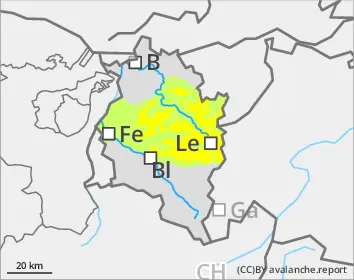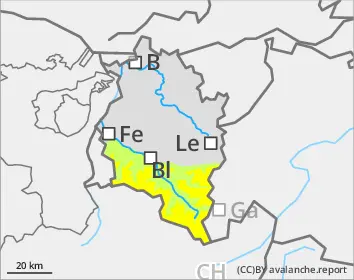
Danger level
 | 2000m |
|  |
|  |
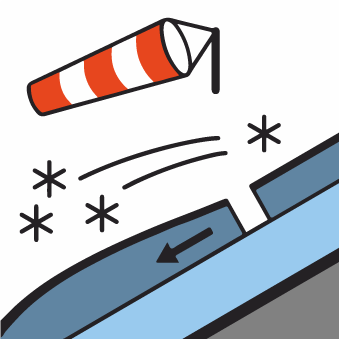

Snowdrift accumulations remain triggerable
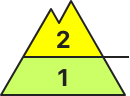
Avalanche danger above 2000 is moderate, below that altitude, low. From place to place, slab avalanches can be triggered in the snowdrifts by minimum additional loading and, in isolated cases, grow to medium size. Danger zones are located mostly near ridgelines on shady W-N-E facing slopes and in wind-loaded gullies and bowls. The frequency and spread of the avalanche prone locations increase with ascending altitude. In addition, in high alpine regions avalanches can be triggered in isolated cases in the weak snow on very steep shady slopes. Apart from the risks of being buried in snow masses, the danger of being swept along and forced to take a fall in outlying terrain also require defensive conduct.
Snowpack
Strong-velocity winds have transported the fresh fallen snow from the last two days. The snowdrift accumulations were deposited primarily on shady slopes on top of an unfavorable old snowpack surface and are prone to triggering. In those places the old snowpack at high altitudes was often expansively metamorphosed and, therefore, weak. Elsewhere the old snowpack surface was generally melt-freeze encrusted, at lower altitudes often hard-frozen. Snow depths at all altitudes continue to be significantly below-average. Only limited information is currently available from backcountry to the Avalanche Warning Services.
Tendency
Avalanche danger will decrease only very gradually