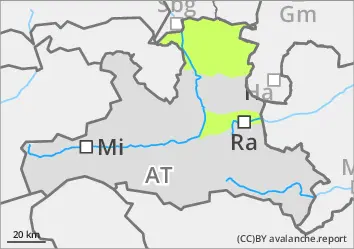
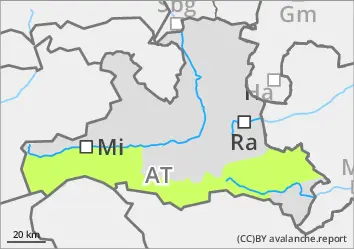
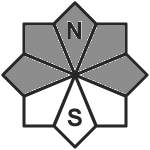
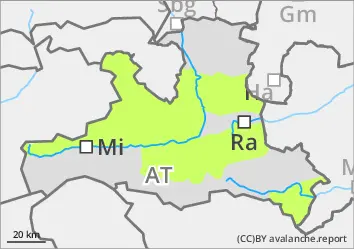
The avalanche danger is low. There is usually not enough snow for snow sports and avalanches can hardly be triggered.
Snowpack
There is no closed snow cover, snowpack and the terrain is mostly bare.
Tendency
The avalanche danger remains low.
Danger level
2600m
Avalanche Problem
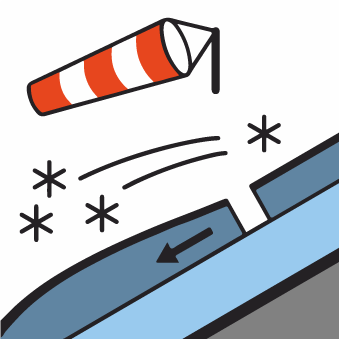
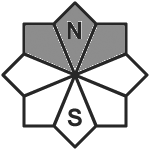
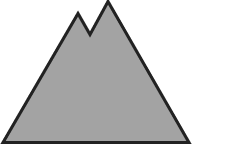
Wind slab
2600m
Persistent weak layer
2600m
Some drift snow and rare avalanche prone locations in old snow
The avalanche danger is low. A few centimetres of new fallen snow will be transported by the southerly foehn. On the north side, the drifting snow packs present from around 2600 m are growing slightly as a result. Small and near-surface avalanches in particular can be triggered by individuals in a few places, in particular in extremely steep gullies and bowls and behind ridgelines. In these areas, there are still isolated trigger points for small avalanches in the old snow.
Snowpack
The snow cover, snowpack is moist or even wet due to heat and rain up to medium to high altitudes and outgoing longwave radiation is reduced at night. At shady high altitudes, there are angular crystals both near the surface and within the snow cover, which can occasionally serve as a weak layer. This is particularly the case near crusts. Above this, some drift snow has been deposited, especially on the north side. The snow depth is well below average at all altitudes.
Tendency
The avalanche danger remains low.
Danger level
Avalanche Problem
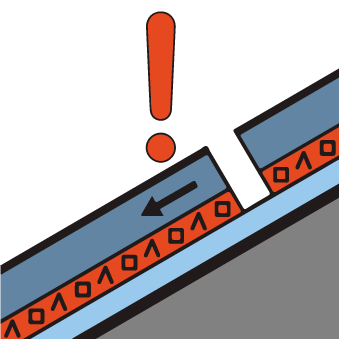
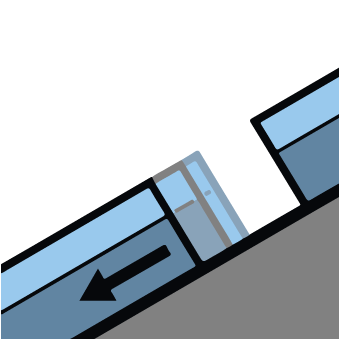
Gliding snow
Injury from stones and falling are the main dangers.
The avalanche danger is low. Small gliding avalanches can spontaneously release from the north-facing slopes that have not yet been discharged. In shady high altitudes, there are still isolated avalanche prone locations for small slab avalanches that are difficult to trigger in the old snow, especially in gullies and bowls adjacent to the ridgeline, crest or summit. Stones may be covered by a few centimetres of new or drift snow at high altitudes.
Snowpack
The snow depth is well below average for the time of year, low elevations and the sunny slopes are widely covered in snow. Due to heat and rain, the snow cover, snowpack is moist or even wet up to high altitudes and outgoing longwave radiation is reduced at night. In shady slopes at high altitudes, weak layers of angular crystals are still occasionally preserved in the snow cover, mostly in the vicinity of crusts. Especially in the northern Alps, the surface can also be icy here.