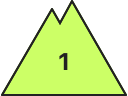
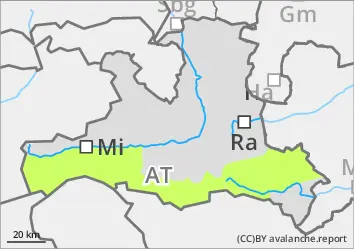
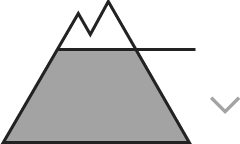
The avalanche danger is low. Small, spontaneous sliding snow avalanches are possible from very steep, as yet undischarged grass mat terrain. Isolated danger spots for mainly small slab avalanches (old snow problem) are possible in shady high altitudes in very steep gullies and hollows.
Snowpack
The snow depth is well below average for the time of year, low elevations are widely bare. The snow surface is hardened and softens during the day at medium altitudes and also at high altitudes on the sunny side. Inside, the snow cover is moist to wet right up to high altitudes. In shady, high and high alpine locations, there are still isolated weak layers of angular crystals in the snowpack.
Tendency
Little change, the avalanche danger remains low.
Danger level
2500m
Avalanche Problem
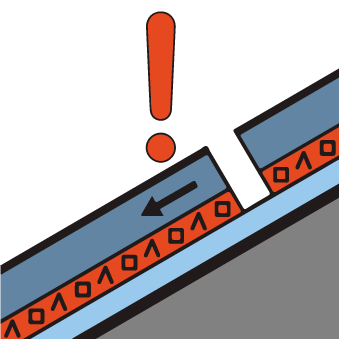
Persistent weak layer
2500m
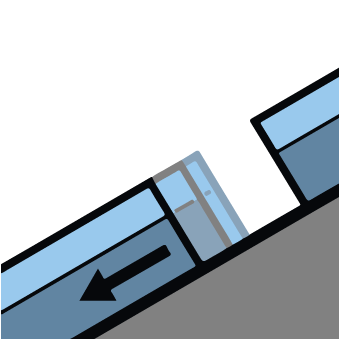
Gliding snow
2400m
Individual sliding snow avalanches, isolated danger spots in old snow
The risk of avalanches is low, the risk of falling or being injured on rocks is greater than the risk of burial.
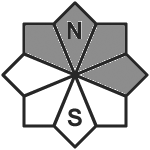
There are isolated danger spots for slab avalanches at high altitudes (old snow problem), particularly on extremely steep, shady slopes, especially in gullies and hollows. In a few places, mainly small avalanches can be triggered by people.
Small, spontaneous sliding snow avalanches are possible from very steep, undischarged grass mat terrain.
Snowpack
The surface is dominated by (fractured) hardpack or crusts, some of which soften during the day. At shady high altitudes, there are angular crystals within the snowpack near the crusts, which can occasionally serve as a weak layer. Below this, the snow cover is stable and sometimes glides on a smooth surface. Overall, there is very little snow, and on the sunny side, it is snow-free far up.