Slab avalanches can sometimes be triggered easily.
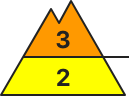
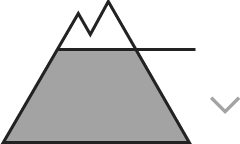
The avalanche danger in the western Bavarian Alpine regions is considerable above the tree line and moderate below it. Fresh snow is the main problem. In the area of the tree line and above, it can be triggered in places as a medium slab avalanche by a small additional load where it comes to rest in a bound state. The main danger spots are in steep terrain close to the crest and in gullies and hollows. Avalanches can also trigger weak layers in old snow on shady slopes. From extremely steep terrain, fresh snow can also release itself as a small or medium-sized loose snow avalanche.
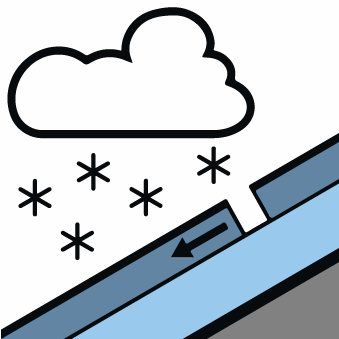
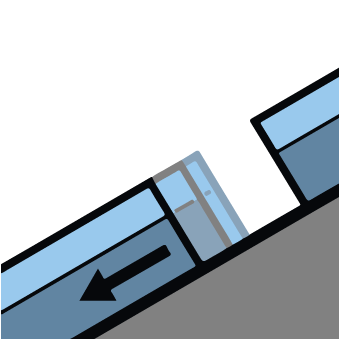
On very steep, smooth meadow slopes and in deciduous forests, smaller sliding snow avalanches can also release themselves.
Snowpack
The fresh snow falls on a moistened layer of old snow up to the tree line. Above this, it comes to rest on a dry, partly soft surface of old snow, in the transition area partly on a thin crust of melted snow. The wind that transported it turned from the west at the beginning to the north in the meantime. In the northern sector, older accumulations of drift snow, now covered in snow, lie on soft layers and in some cases on surface frost. The ground is unfrozen far up and the snowpack base is often wet.
Tendency
Gradual decrease in avalanche danger towards the weekend.
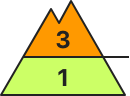
Danger level
Avalanche Problem
New snow
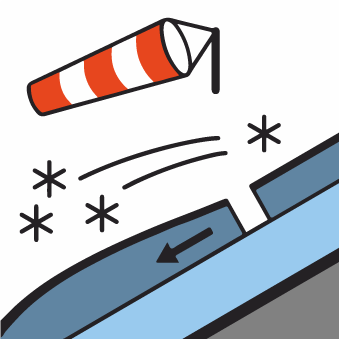
Gliding snow
Slab avalanches can sometimes be triggered easily.
The avalanche danger is moderate in the eastern Bavarian Alpine regions. Fresh snow is the main problem. In the area of the tree line and above, it can be triggered in places as a medium slab avalanche by a small additional load where it comes to rest in a bound state. The main danger spots are in steep terrain close to the crest and in gullies and hollows. From extremely steep terrain, fresh snow can also release itself as a small to medium loose snow avalanche.
On very steep, smooth meadow slopes and in deciduous forests, smaller sliding snow avalanches can also detach themselves.
Snowpack
The fresh snow falls on a moistened layer of old snow up to the tree line. Above this, it comes to rest on a dry, partly soft surface of old snow, in the transition area partly on a thin crust of melted snow. The wind that transported it turned from west to north at the beginning. In the northern sector, older accumulations of drift snow lie on soft layers and in some cases also on surface frost. The ground is not frozen up to a great height and the snowpack base is often wet.
Tendency
Gradual decrease in avalanche danger towards the weekend.
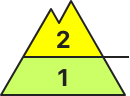
Danger level
1800m
Avalanche Problem
Wind slab
1800m
Wind will worsen conditions
A small additional load can trigger a small to medium avalanche, especially near ridges where there are fresh snow drifts, especially above 1800 m.
Snowpack
dp.6: cold, loose snow and wind
On Monday and Tuesday, more than 60 cm of snow fell above 1800 m, and up to 30 cm at lower altitudes. The snow fell on uneven ground - in some places on terrestrial ground, especially on the southern slopes on drifts of blown snow. The thin old snow cover, now hidden under the new snow, is mixed with old-growth ash. This reduces the stability of the snow cover.
The northeasterly wind will move snow above the tree line and build drifts - especially above 1800 m where there is more dry snow.
Tendency
The northeasterly wind will strengthen and carry snow on Wednesday afternoon and Thursday night. It will remain cold.
Danger level
1800m
Avalanche Problem
Wind slab
1800m
Wind will worsen conditions
A small additional load can trigger a small to medium avalanche, especially near ridges where there are fresh snow drifts, especially above 1800 m.
Snowpack
dp.6: cold, loose snow and wind
On Monday and Tuesday, more than 40 cm of snow fell above 1800 m, and up to 20 cm at lower altitudes. The snow fell on uneven ground - in some places on terrestrial ground, especially on the southern slopes on drifts of blown snow.
The northeasterly wind will move snow above the tree line and build up drifts - especially above 1800 m where there is more dry snow.
Tendency
The northeasterly wind will strengthen and carry snow on Wednesday afternoon and Thursday night. It will remain cold.