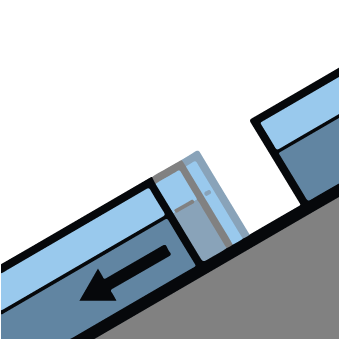
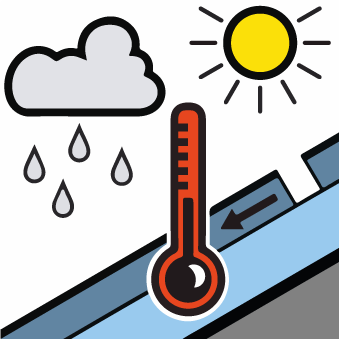
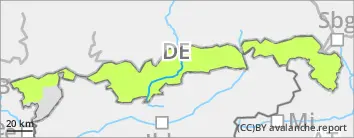
Avalanche danger is low. Main problem: gliding snow. On very steep slopes with sufficient snow over smooth ground isolated glide-snow avalanches can trigger naturally. Medium sized releases are possible. In addition, isolated small wet loose snow avalanches can be released. This applies in particular to extremely steep rocky terrain.
Snowpack
At intermediate altitudes the snowpack is moist down to the ground, but still by and large stable. Below 2400m the snowpack base is frequently wet. The moist snowpack surface hardly solidifies during the night because of mild temperatures ad lack of outgoing longwave radiation. Only on shady side high altitude slopes there is still dry powdery snow. Snow cover and snow profile analyses show that the snowpack stability is good. On sunny side high altitude slopes the ground is becoming bare.
Tendency
Avalanche danger will increase a little due to intensifying winds and fresh snow.
Danger level
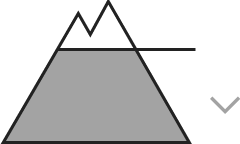
2000m
Avalanche Problem
Wet snow
2000m
At intermediate altitudes the snowpack is thoroughly moist, but shallow.
Avalanche danger is low. Wet snow can be problematic. At intermediate altitudes isolated small loose snow avalanches can trigger naturally. This applies in particular to extremely steep rocky terrain. On very steep slopes with sufficient snow over smooth ground small glide-snow avalanches cannot be excluded
Snowpack
At intermediate altitudes the snowpack surface is soft already early in the morning due to mild temperatures and lack of outgoing radiation. Below 2000m, it is in many places thoroughly moist down to the ground, but by and large stable. In particular in places with little snow the snowpack base is wet. Only on shady side high altitude slopes there is still dry powdery snow. Snow cover and snow profile analyses show that the snowpack stability is good. There is not much snow for this time of the year.
Tendency
Avalanche danger will increase a little due to intensifying winds and fresh snow.