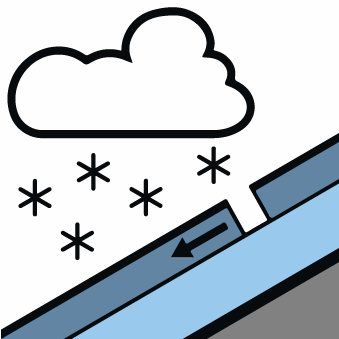
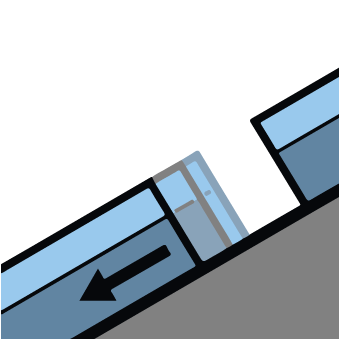
Hardly any outgoing longwave radiation overnight, wet snow is the main danger.
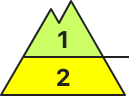
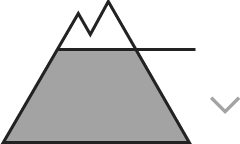
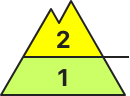
The avalanche risk is moderate below 2800 metres and low above.
In a few places in the terrain, wet avalanches can occur spontaneously or be triggered by winter sports. In particular in very steep terrain below around 2800 m, where there is still a lot of snow. In wet snow, avalanches can tear through to the ground and reach medium size.
Above around 2400 m, there are isolated avalanche prone locations in the extended northern sector where medium-sized slab avalanches can be triggered in persistent weak layers. Be careful at the steep transitions from little to more snow.
Snowpack
The snowpack has difficulty outgoing longwave radiation overnight. No or only a very thin melt-freeze crust forms, which softens quickly in the morning. The snowpack underneath consists of compact snow that is characterised by rain up to high altitudes. On shady slopes above around 2400 metres, there are still weak layers of angular forms and deep rime in the old snowpack close to the ground.
Tendency
Slight daytime changes after a clear night.
Danger level
2200m
Avalanche Problem
New snow
2200m
Gliding snow
1700m
Wet snow
1700m
New fallen snow in the high alpine regions
The old snow cover is stable and well connected. In some places, weak layers may still be hidden on the axial sides above the tree line.
Snow will fall during the night and into Wednesday, accompanied by light winds. The snowfall level will be around 2300 m in the first part of the night, decreasing later. Small to medium-sized avalanches of new fallen snow are possible in the high alpine regions. In the mid-mountains, rain will wet the ground and some small Wet snow avalanches or gliding avalanches may be triggered.
Snowpack
dp.4: cold following warm / warm following cold
In the high alpine regions, around 20 cm of New fallen snow will fall above altitudes of around 2200 m. Below altitudes of about 1700 m, it will rain partly and snow partly. The old snow cover is well transformed, cohesive and stable.
Tendency
Thursday night will be clearer and cooler. The avalanche danger in the high alpine regions will remain similar.
Danger level
Low avalanche danger, watch out for wet snow.
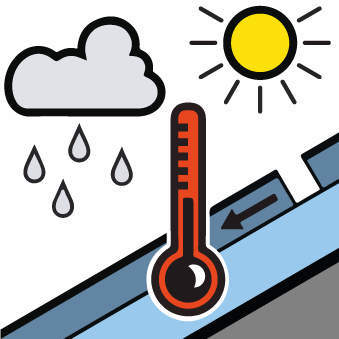
The avalanche risk is low. In the event of rain or prolonged exposure to sunlight, the triggering of wet avalanches increases slightly. This is particularly the case where there is still a lot of snow, i.e. mainly on very steep shady slopes at high altitudes and in some cases on eastern and western slopes. The avalanches usually remain small, but can tear through to the ground in wet snow and occasionally reach medium size.
Snowpack
The snowpack can only outgoing longwave radiation poorly overnight. No or only a very thin melt-freeze crust forms, which softens quickly in the morning. The snowpack underneath consists of compact snow characterised by rain. On shady slopes from around 2400 metres, there are weak layers of deep rime in the old snowpack close to the ground. The snowpack, if still present at all, is moist to wet up to high altitudes.
Tendency
The risk of avalanches continues to decrease as the glacier thins out.