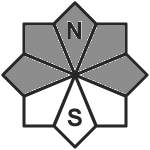
There is still a lot of snow on the northern sides in some places.
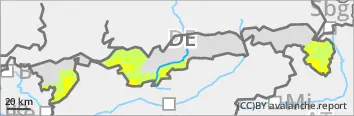
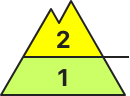
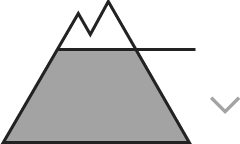
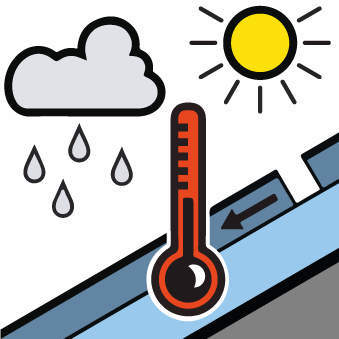
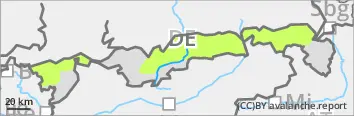
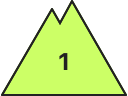
The avalanche risk is moderate above 1600 metres. Wet snow is the problem. Gliding avalanches can occur on a few steep slopes with a smooth surface, such as meadow slopes or rock slabs. In addition, loose snow or slab avalanches can release themselves on extremely steep terrain or be triggered by individuals on very steep terrain. The avalanches are wet and reach medium size.
Snowpack
It may snow a little at higher altitudes. Occasionally, smaller snowdrift accumulations in areas adjacent to the ridgeline, crest or summit may be prone to triggering. The old snowpack is generally very moist to wet up to the higher elevations and consists mainly of snowmelt. Only on north-facing slopes can layers of faceted crystals still be present deep in the snowpack. The new fallen snow melts quickly on the apery ground on the southern slopes.
Tendency
No change in avalanche danger
Danger level
Avalanche Problem
Wet snow
Individual avalanche prone locations
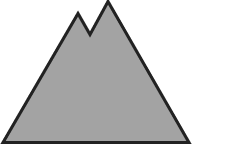
The avalanche risk is low. Wet snow can be problematic in rare cases. Occasionally, on very to extremely steep slopes with sufficient snow, wet loose snow avalanches or wet gliding avalanches on slippery ground can release themselves. Avalanches usually remain small.
Snowpack
The remaining snowpack is widely patchy and completely soaked. The southern sides are largely free of snow except for individual snow fields in areas adjacent to the ridgeline, crest or summit.