Swiftly rising daytime avalanche danger. Near-surface weak layers can often be triggered by winter sports enthusiasts.
Following a night of clear skies, generally favorable backcountry touring conditions in early morning. However, avalanche danger, particularly on very steep north-facing slopes, increases rapidly at 1800-2200m due to solar radiation and daytime warming in all aspects, particularly below 2400m, also above that altitude on very steep sun-exposed slopes. Naturally triggered avalanches can be expected; persons can trigger wet-snow slab avalanches. If near-surface avalanches fracture down to deeper layers of the snowpack they can, in isolated cases, grow to large size. In addition, winter sports enthusiasts can trigger near-surface weak layers on high-altitude shady slopes. Danger zone are impossible to recognize. Attention: danger of taking a fall on hardened snowpack surfaces on steep slopes.
Snowpack
Good nocturnal outgoing longwave radiation will generate a gradually thicker melt-freeze crust which, however, will swiftly soften up during the course of the day. At altitudes between 1800 and 2200m the snowpack (also on north-facing slopes) is thoroughly wet and the ground-level rotten snow is extremely prone to triggering already in early morning. On high-altitude shady steep slopes there are unfavorable intermediate layers in the uppermost metre of the snowpack which in places can be triggered. A solid mid-section of compact layers inside the snowpack blankets a fundament of buried hoar and faceted crystals.
Tendency
Due to reduced nocturnal longwave outgoing radiation on Thursday night, wet-snow problem will predominate already in early morning on Friday.
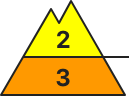
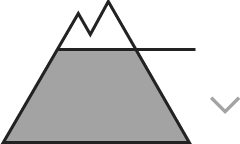
Danger level
Avalanche Problem
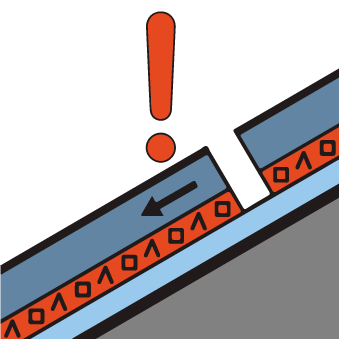
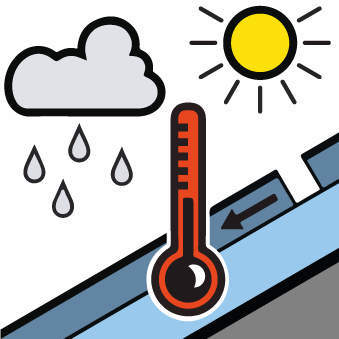
Wet snow
Persistent weak layer
2000m
Wet snow is an issue all day long.
The avalanche risk is moderate. Wet snow is the main problem. Wet loose snow and slab avalanches release themselves, especially on extremely steep terrain. Occasional wet gliding avalanches can also occur on steep slopes with a smooth surface. Sliding snow cracks indicate the danger. Wet avalanches reach medium size and sometimes have long run-out lengths.
Persistent weak layers can still be problematic at high altitudes. On a few steep slopes with aspects from north-west to north to east, medium slab avalanches can be triggered by low additional loads.
Snowpack
With reduced outgoing longwave radiation, the snow surface does not freeze through everywhere. It softens again in the morning with the sunlight. Even in the northern aspects of higher altitudes, the surface snowpack is slightly to heavily soaked, depending on the slope gradient. In some places, there are potential weak layers in the area of crusts in the upper metres of the snowpack at high altitudes. The snowpack base is still dry in places at high altitudes and often consists of faceted crystals. At medium altitudes, it is mostly wet. On the south side, the ground is increasingly pitting up to medium altitudes.
Tendency
The avalanche danger hardly changes. Wet avalanches remain an issue.
EARLIER Danger level
2200m
Avalanche Problem
Persistent weak layer
2200m
Wet snow
2500m
LATER Danger level
2500m
Avalanche Problem
Wet snow
2500m
Persistent weak layer
2200m
During the daytime changes, wet avalanches are more likely to be triggered.
The avalanche danger increases considerably below 2500 m during the day changes.
Wet loose snow avalanches and snow slabs are possible during the day in all aspects below around 2500 metres. The avalanches can occur spontaneously or be triggered by individuals. They usually remain medium-sized, but can also become large in a few places. Spontaneous sliding snow avalanche activity can also be expected on typical slopes.
In a few places above 2200 m, weak layers in the persistent weak layer can also be disturbed, especially on west-, north- and east-facing slopes, and also south-facing slopes in the high Alps. The avalanche prone locations are difficult to recognise. Snow slabs in the persistent weak layer can reach medium size, but in isolated cases avalanches can also tear through to the floating snow close to the ground and become large.
Snowpack
The outgoing longwave radiation at night is good. A partially stable melt-freeze crust forms, which softens again during the day, especially on sunny slopes. Moisture is increasingly penetrating the snowpack; only in shady high and high alpine locations is there still dry snow on the surface. At medium altitudes, the snow is already soaked far down or down to the ground. On shady slopes from around 2200 m, there are angular forms and deep rime in the old snowpack, on the south side from around 2400 m. Fractures are most likely to occur on one of the uppermost crusts and only occasionally in the floating snow close to the ground. Some of the snow glides off the ground.
Tendency
A disturbance zone will bring some precipitation (snowfall level at around 1800 metres) and wind on Friday. Fresh wind slab will develop at high altitudes. There will be little change to the danger scale.
EARLIER Danger level
2200m
Avalanche Problem
Persistent weak layer
2200m
Wet snow
LATER Danger level
Avalanche Problem
Wet snow
Persistent weak layer
2200m
During the daytime changes, the triggering of wet avalanches increases somewhat.
There is a moderate avalanche danger from around 2200 metres, rising from low to moderate during the morning. Wet loose snow avalanches and snow slabs can be triggered by individuals in all aspects, the probability of triggering increases slightly during the daytime changes. The avalanches usually remain small to medium-sized. Sliding snow avalanche activity is also to be expected on typical slopes.
In a few places above 2200 m in the extended northern sector, weak layers in the persistent weak layer can also be disturbed by individuals; the snow slabs can reach medium size.
Snowpack
In the morning, the snow surface is crusted can form and hard, but rarely stable. The melt-freeze crust softens again during the morning, especially on sunny slopes. Moisture is increasingly penetrating the snowpack, with dry snow on the surface only at shady high altitudes. At medium altitudes, the snow is already soaked far down or down to the ground. On shady slopes from around 2200 metres upwards, the old snowpack contains angular shapes and deep rime. Fractures are most likely to occur on one of the uppermost crusts and only rarely in the floating snow near the ground. Some of the snow glides off the ground.
Tendency
A disturbance zone will bring precipitation (snowfall level at around 1800 m) and wind on Friday. Fresh wind slab will develop at high altitudes. There will be little change to the danger scale.
EARLIER Danger level
2000m
Avalanche Problem
Persistent weak layer
2000m
LATER Danger level
Avalanche Problem
Wet snow
Persistent weak layer
2000m
Naturally triggered avalanches are still possible from steep terrain that has not been unloaded!
The avalanche risk is generally low at first. Depending on altitude and aspect, it increases rapidly to moderate during the day. Spontaneous small to medium, very rarely large, wet loose snow or slab avalanches from steep, undischarged terrain should be noted. In particular in shady, extreme terrain at high altitudes, weak layers in the old snowpack can still be triggered throughout the day due to large additional loads. Usually only small gliding avalanches cannot be completely ruled out.
Snowpack
The snow surface can firmness overnight due to radiation and is hard, crust can form and is also load-bearing. Depending on the altitude and aspect, it then softens at different rates with the incoming radiation and mild temperatures. The snowpack is moist to wet on the inside. However, especially on shady slopes and at high altitudes, there may still be weak layers in the old snowpack, which is not yet moist. The snowpack can also start gliding snow on the ground.
Tendency
On Friday, there may be some fresh wind slab at exposed high altitudes. The avalanche danger will decrease depending on the time of day.
EARLIER Danger level
2200m
Avalanche Problem
Persistent weak layer
2200m
Wet snow
LATER Danger level
Avalanche Problem
Wet snow
Persistent weak layer
2200m
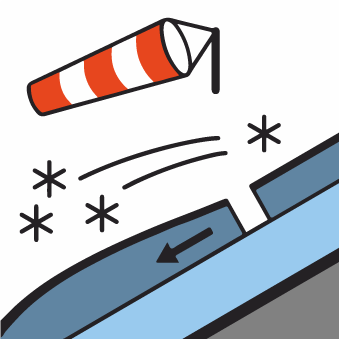
Strong increase in avalanche danger already in the morning!
Daily increase in avalanche danger
The avalanche risk increases from low to moderate during the day changes. After mostly favourable conditions in the morning, the danger of naturally triggered avalanches increases with radiation and warming. Small to medium-sized wet loose snow and slab avalanches are to be expected in all aspects, in particular on sunny slopes. Wet avalanches can also be triggered by winter sports enthusiasts. Spontaneous gliding avalanches from typical slopes cannot be ruled out.
In extremely steep, shady areas above 2200 m, small to medium-sized slab avalanches can still be triggered by individuals (persistent weak layer problem).
Snowpack
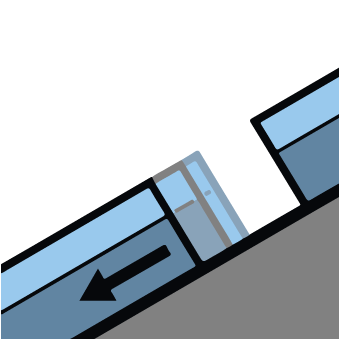
With outgoing longwave radiation, the snow surface can consolidate, but softens again in the morning. With increasing moisture penetration, the snowpack loses firmness and stability. In addition to loose snow avalanches, wet slab avalanches are also possible. In very steep areas with a damp layer on the ground, the snowpack can slide off.
Only in very shady areas above 2200 m does the snowpack still have cold reserves and in some cases persistent weak layers in the old snow that are prone to triggering.
Tendency
On Friday, a disturbance will bring widespread clouds and some precipitation (snowfall level at around 1700 metres), especially in the northwest. At high altitudes, isolated areas of fresh drifting snow will develop. Decrease in the danger of wet avalanches.
Danger level
1800m
Avalanche Problem
Persistent weak layer
1800m
Wind slab
1800m
Weak layers in old snow
The main danger is posed by weak layers in old snow, which are deeper in the snowpack. These weak layers are more common in the axis above the forest. In particular, a medium-sized avalanche can be triggered if the load exceeds the load-bearing capacity of these layers.
The snowpack stability is also lower in sloping terrain and in ravines, where it is greater due to snow deposits.
Snowpack
dp.4: cold following warm / warm following cold
A colder air mass will cause the snowpack to freeze overnight. During the day, the snow on Sunny slopes will become slightly lighter, but not as heavy as in recent days. There is still some blowing snow from the last snowfall, which may be unstable. Some avalanches of southern snow are possible during the day.
In the old snow cover, the snow layers are mostly well connected. Deep below the surface, several weak layers of faceted snow crystals and sheared grains occur, which are more frequent on axial slopes.
Tendency
The danger of avalanches from southern snow will decrease due to colder weather. On Friday, there will be a few more clouds and snow showers will be possible.
EARLIER Danger level
Avalanche Problem
Gliding snow
LATER Danger level
Avalanche Problem
Wet snow
Main danger: wet-snow avalanches
Avalanche danger is low in the morning and rises to moderate during the course of the day. On steep slopes with lots of snow and a smooth underground which have not yet discharged, glide-snow avalanches can trigger at any time of day or night in all aspects. Zones below glide cracks should be avoided. Due to daytime warming and solar radiation, wet loose-snow avalanches can trigger naturally, particularly on extremely steep slopes. Avalanches can grow to medium size and place exposed hiking trails at risk.
Snowpack
South-facing slopes are frequently bare of snow. Where there’s a snowpack on the ground, it’s thoroughly wet.
Tendency
As a result of dropping temperatures, avalanche danger will decrease on Friday.
EARLIER Danger level
LATER Danger level
Avalanche Problem
Wet snow
Low avalanche danger, but watch out for spontaneous wet snow slides!
The avalanche risk is low. Nevertheless, during the daytime changes, the probability of triggering wet avalanches increases slightly. The mostly small avalanches can mainly come from multiple starting zones that are not yet fully discharged and can also be triggered by individual winter sports enthusiasts. The risk of being swept away and falling should be taken into account.
Snowpack
With outgoing longwave radiation, the snow surface can consolidate somewhat, but softens again with sunlight. The thin snowpack becomes damp or wet in all areas and loses firmness. Only in very shady areas above 2000 metres does the snowpack still have small cold reserves and occasional weak layers in the persistent weak layer.
In general, there is very little snow and the depletion is progressing.
Tendency
On Friday, a disturbance will cause widespread clouds and unproductive precipitation. Decrease in the danger of wet avalanches.
Danger level
Low avalanche danger, isolated avalanche prone locations for wet avalanches.
The avalanche risk is low. Isolated wet avalanches can still be triggered by individuals in sunny slopes that have not yet discharged. The probability of triggering increases slightly during the daytime changes. Gliding avalanches may also occur occasionally.
Snowpack
Overnight the snow surface can form a crust, during the day the melt-freeze crust partially softens again on the sunny slopes. Underneath, the snowpack is moist to wet right down to the ground.
Tendency
A disturbance zone will bring precipitation (snowfall level at around 1800 metres) and wind on Friday. Fresh wind slab will develop in the summit areas. There will be little change to the danger scale.
EARLIER Danger level
LATER Danger level
Avalanche Problem
Wet snow
During the daytime changes, the triggering of wet avalanches increases somewhat.
The avalanche risk is low. During the daytime changes, there is a slight increase in the propensity to trigger wet avalanches in all aspects. Some of the avalanches can be triggered by individuals, they usually remain small. The risk of being swept away and falling should be taken into account.
Snowpack
The outgoing longwave radiation at night is good. A melt-freeze crust forms, which soon softens again during the day. Sun and warmth lead to increasing soaking of the snowpack. Rather snow-poor shady slopes above around 1900 m: The lower part of the snowpack is faceted. There is hardly any snow on steep sunny slopes at low and medium altitudes.
Tendency
A disturbance zone will bring unproductive precipitation (snowfall level at around 1800 metres) and wind on Friday. Small-scale wind slabs will develop at high altitudes. There will be little change to the danger scale.
Danger level
Avalanche Problem
Wet snow
Early in the morning, the snow surfaces are hard, sometimes icy: danger of slipping and falling.
The avalanche risk is low. Wet snow is the problem. In extremely steep terrain, wet loose snow avalanches and on steep slopes with smooth ground, wet gliding avalanches can release themselves. Wet avalanches usually remain small, in areas with sufficient snow avalanches can occasionally reach medium size.
Snowpack
With reduced outgoing longwave radiation, the snow surface does not freeze through everywhere. It softens again in the morning with the sunlight. The snowpack is completely soaked up to high altitudes. The southern sides are gradually thawing right up to the summits.