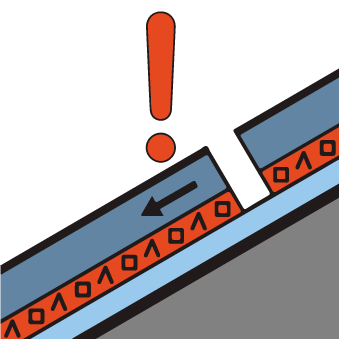
Slab avalanches can be triggered by large additional loading and grow to medium size. Danger zones occur in steep ridgeline terrain, behind sharp drops in the landscape, in wind-loaded gullies and bowls. In very steep terrain, loose-snow avalanches are possible due to solar radiation and daytime warming. On steep grass-covered slopes, gliding snow activity is gradually increasing.
Snowpack
The fresh snow and drifts from recent days have been able to settle somewhat and increasingly consolidate. Also the latest snowdrift accumulations are stabilized. The old snowpack is generally well consolidated and compact.
Tendency
On Easter Weekend, danger of wet-snow avalanches will increase through significant daytime rise in temperatures.
Danger level
1800m
Avalanche Problem
New snow
1800m
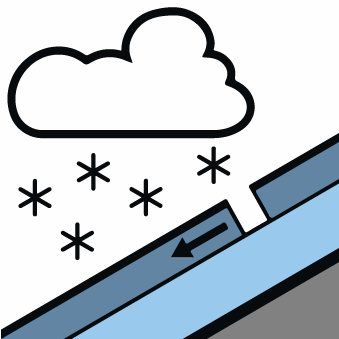
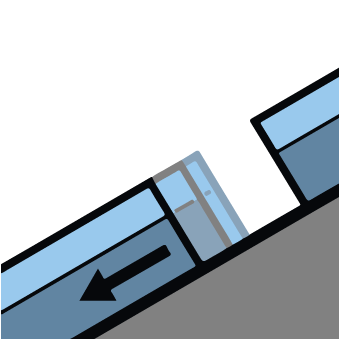
Gliding snow
2000m
Persistent weak layer
2200m
Generally good backcountry touring conditions
Slab avalanches can be triggered by large additional loading and grow to medium size. Danger zones occur in steep ridgeline terrain, behind sharp drops in the landscape, in wind-loaded gullies and bowls. Particularly on high-altitude west, north and east-facing slopes, avaalnches can fracture in the weak layers in the uppermost part of the snowpack and grow to medium size. In very steep terrain, loose-snow avalanches are possible due to solar radiation and daytime warming. On steep grass-covered slopes, gliding snow activity is gradually increasing.
Snowpack
The fresh snow and drifts from recent days have been able to settle somewhat and increasingly consolidate. Particularly in high altitude ridgeline and pass areas, small fresh and older snowdrift accumulations are still prone to triggering. The mid-part of the snowpack consists widespread of well consolidated, compact layers which on shady high-altitude slopes blanket a poorly structured old snow fundament.
Tendency
On Easter Weekend, danger of wet-snow avalanches will increase through significant daytime rise in temperatures.