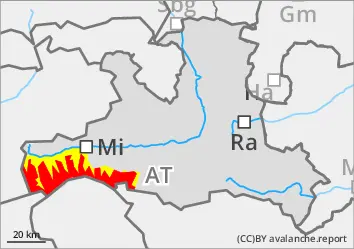
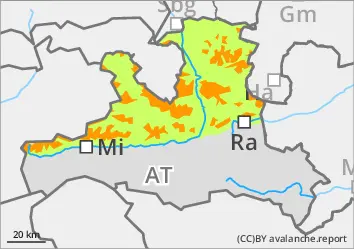
Dangerous - large amounts of new snow and sometimes stormy winds.
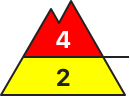
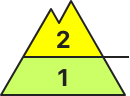
The avalanche risk is high above the tree line (even in sparse high forest) and moderate below.
New fallen snow and extensive snowdrift accumulations are very easy to disturb in many places above the tree line in all aspects. Snow slabs can be triggered in layers close to the surface and become medium to large. Especially on western, northern and eastern slopes, avalanches can also tear through layers of the snowpack close to the ground. In some cases, the wind slab is covered by snow again away from areas adjacent to the ridgeline, crest or summit, making avalanche prone locations difficult to recognise.
Naturally triggered avalanches (both slabby and soft) are to be expected in steep terrain.
Snowpack
Wind slab (partly covered by snow) lies on a weak old snowpack. There are weak layers in the upper part of the old snowpack as well as deeper down (faceted crystals on crusts). Close to the ground, the snowpack consists of angular, cup-shaped crystals. Snow slabs break mainly within the fresh wind slab and new fallen snow layers, as well as on one of the uppermost weak layers in the persistent weak layer. Under unfavourable circumstances, however, a weak layer close to the ground can also be affected.
Tendency
As the snowfall subsides, the risk of avalanches decreases.
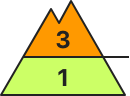
Danger level
treeline
Avalanche Problem
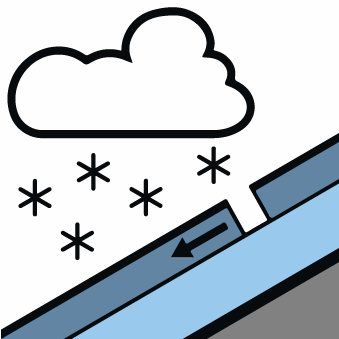
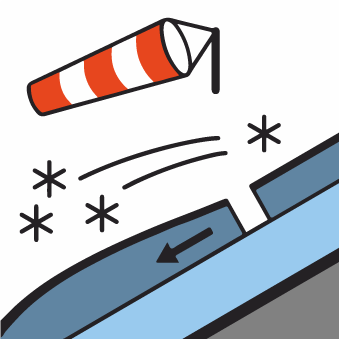
Wind slab
Treeline
Persistent weak layer
2000m
Tricky - avoid fresh wind slab at all costs
The avalanche risk is considerable above the tree line (also in forest aisles and in sparse high forest).
New fallen snow and extensive snowdrift accumulations are very prone to triggering in some places above the tree line in all aspects. Snow slabs can be triggered in layers close to the surface and can reach medium size. Avalanches can also break through into layers of the snowpack close to the ground and become large on west, north and east-facing slopes. In some cases, the wind slab is covered by snow again, and avalanche prone locations are sometimes difficult to recognise.
Naturally triggered avalanches (both slabby and soft) are also to be expected in very steep, extreme terrain.
Snowpack
Wind slab (partly covered by snow) lies on a weak old snowpack. There are weak layers in the upper part of the old snowpack as well as deeper down (faceted crystals on crusts). Close to the ground, the snowpack consists of angular, cup-shaped crystals. Snow slabs break mainly within the fresh wind slab and new fallen snow layers, as well as on one of the uppermost weak layers in the persistent weak layer. Under unfavourable circumstances, however, a weak layer close to the ground can also be affected.
Tendency
The avalanche danger remains for the time being.
Danger level
treeline
Avalanche Problem
New snow
Treeline
Persistent weak layer
2000m
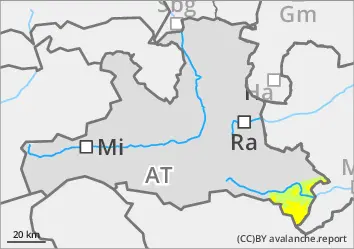
Heikel - Large amounts of new snow, partly with wind influence.
The avalanche risk is considerable above the tree line (also in forest aisles).
The large amount of new fallen snow and the extensive snowdrift accumulations on all aspects can easily be triggered above the tree line. Avalanches can start in layers close to the surface and reach medium size. Occasionally, avalanches can tear through layers of the snowpack close to the ground, especially on shady slopes. The wind slab is often covered with snow away from areas adjacent to the ridgeline and avalanche prone locations are difficult to recognise.
Naturally triggered avalanches (both slabby and soft) are also to be expected in very steep, extreme terrain.
Snowpack
Wind slab (partly covered by snow) is partly lying on a weak old snowpack. There are weak layers in the upper part of the old snowpack as well as deeper down (faceted crystals on crusts). Close to the ground, the snowpack consists of angular, cup-shaped crystals. Snow slabs break mainly within the fresh wind slab and new fallen snow layers, as well as on one of the uppermost weak layers in the persistent weak layer. Under the most unfavourable circumstances, however, a weak layer close to the ground can also be affected.
Tendency
The avalanche danger remains for the time being or is only slowly decreasing.
Danger level
treeline
Avalanche Problem
Wind slab
Treeline
Persistent weak layer
2000m
Avoid fresh wind slab.
The avalanche risk is moderate above the tree line. Fresh wind slabs can be triggered by individual winter sports enthusiasts in all aspects. Avalanche prone locations are mainly in gullies, bowls and behind terrain edges. Avalanches are usually of medium size.
Occasionally, avalanches can also tear through layers of snowpack close to the ground. Take particular care on very steep western, northern and eastern slopes above around 2000 metres. Transitions from a little to a lot of snow are particularly unfavourable.
Individual naturally triggered avalanches cannot be completely ruled out.
Snowpack
10 to 20 cm of new fallen snow is transported by the stormy north-westerly wind. New and wind slab snow is deposited above the tree line on an unfavourable old snow surface. The old snowpack is weak, especially on western, northern and eastern slopes above around 2000 metres.