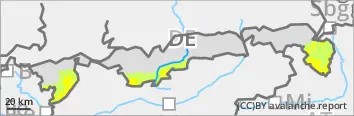
Pay attention to the few avalanche prone locations.
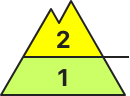
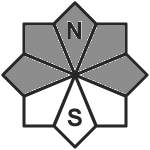
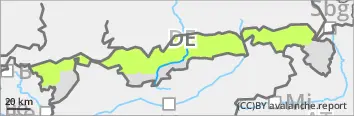
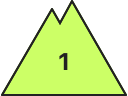
The avalanche risk is moderate above 2000 metres and low below. Persistent weak layers are the main problem. The few avalanche prone locations are mainly in the area of older drift snow accumulations in the steep terrain adjacent to ridgelines with aspects from west to north to east. Take care when entering gullies and bowls. Slab avalanches can be triggered with little additional load. Avalanches usually remain small, but can occasionally penetrate to deep layers and reach medium size.
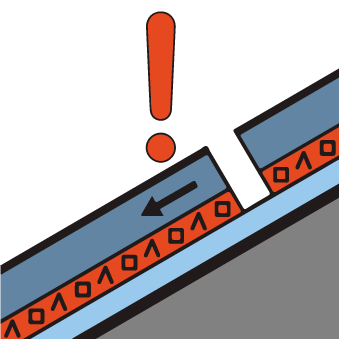
Smaller gliding avalanches are possible on smooth, steep meadow slopes or rock slabs.
Snowpack
On shady slopes at higher altitudes, soft snow layers can be found close to the surface, some of which are interspersed with a thin surface crust. In places, the layers are overlaid with older wind slab snow. Otherwise, the wind slab is well connected to the old snow surface, which has crusted can form. On shady slopes at higher altitudes, weak layers of faceted crystals can be found deep in the compact old snowpack in some places. If there is sufficient outgoing longwave radiation, a stable melt-freeze crust can form on the south side overnight. On the northern sides of the higher elevations, the snow is still powdery on the surface. Overall, there is little snow.
Tendency
The avalanche danger hardly changes.
Danger level
Favourable avalanche situation
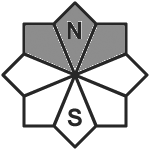
The avalanche risk is low. Wind slabs can be problematic. On the northern sides of the highest summits and areas adjacent to the ridgeline, small slab avalanches with low additional load can be triggered in isolated cases.
Individual, small gliding avalanches are possible on smooth, steep meadow slopes.
Snowpack
Older wind slab snow has usually bonded well with the old snow surface. In the highest areas adjacent to the ridgeline, crest or summit, it can still be prone to triggering on shady slopes. The snowpack is generally well stabilised and slightly moist. If there is sufficient outgoing longwave radiation, a stable melt-freeze crust can form on the south side overnight. The snow is still powdery on the surface only on the steep northern sides of the higher elevations. Overall, there is little snow.