Avalanche Service Bavaria

Thursday 5 March 2026

Published 4 Mar 2026, 17:00:00


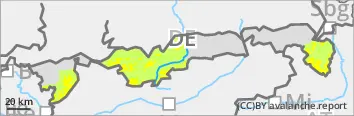
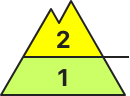
Danger level

1800m
Avalanche Problem
Persistent weak layer
1800m
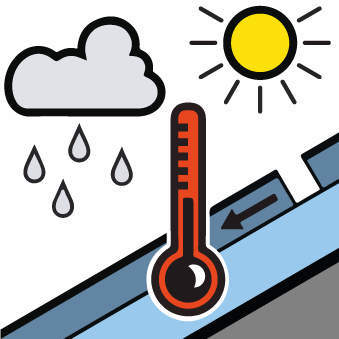
Wet snow


Avalanche prone locations, especially at transitions from little to much snow.

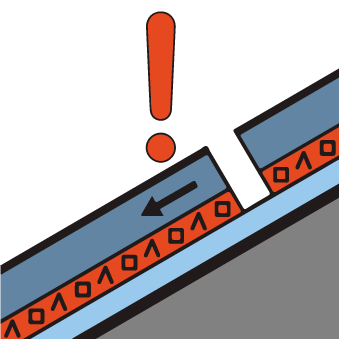
The avalanche risk is moderate above 1800 metres and low below that. Persistent weak layer is a persistent weak layer. Medium slab avalanches can be triggered on shady slopes, in particular with large additional loads. Take particular care at high altitudes in transition areas from little to much snow, for example when entering gullies and bowls. During the daytime changes and with the sunlight, wet loose snow avalanches can release themselves from the rocky steep terrain. At medium altitudes, individual gliding avalanches are possible on slopes with smooth ground. They can also occasionally occur on shady slopes. Wet avalanches are small to medium-sized.

Snowpack

On shady slopes at higher altitudes, weak layers of faceted crystals can be found deep in the snowpack. These are usually covered by compact or crusted can form layers of snow. Early in the morning, the snowpack is partially crusted of bearing loads at medium elevations and softens in the sun during the day. Towards the ground, the snowpack is wet in the middle layers and can slide off.

Tendency

Hardly any change in avalanche danger over the next few days.
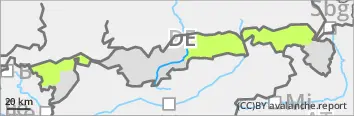

Danger level


Avalanche Problem
Wet snow


Slight daytime changes in the risk of wet snow. Watch out for increasing sinking depths.

The avalanche risk is low. Wet snow is the main problem. Small loose snow avalanches can occasionally detach themselves from the rocky steep terrain with the sunlight. On very steep slopes of all aspects with smooth ground, individual small to medium gliding avalanches are possible. Areas under glide cracks should be avoided. On shaded steep slopes above approx. 1700 m, medium-sized slab avalanches with a large additional load can also be triggered. The isolated avalanche prone locations are mainly at transitions from little to much snow, for example at the entrance to gullies and bowls.

Snowpack

The snowpack is soaked up to high altitudes and wet towards the ground. Overnight, a partially stable melt-freeze crust forms, which quickly softens again in the sun. Occasionally, weak layers of faceted crystals can be found deep in the snowpack on shady slopes at higher altitudes. These are usually covered by compact or crusted can form layers of snow. On the south-south side, the ground is increasingly pitting.

Tendency

The avalanche danger hardly changes.