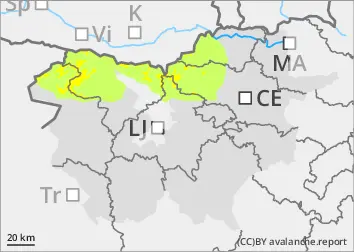
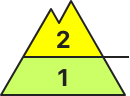
Avalanche danger in high alpine regions is moderate
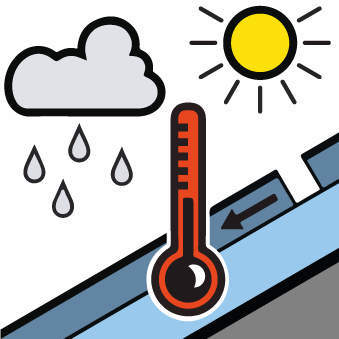
With a slight cooling and cloudy weather, the danger of wet snow avalanches has decreased.
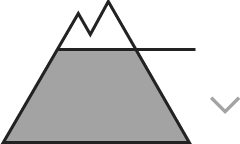
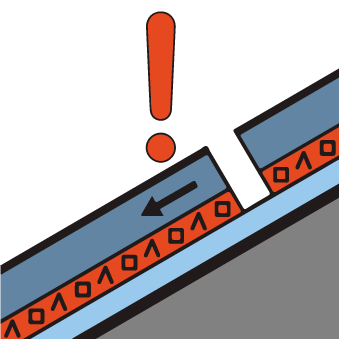
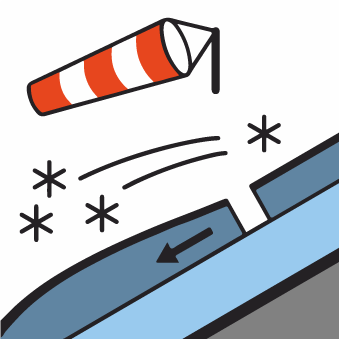
However, there are still some places in the high alpine regions with blown snow where a heavy load can trigger avalanches. Weak layers in the snowpack are also a problem. If the load exceeds the load-bearing capacity of the deeper Weak layers, a deep and large avalanche can be triggered. There are many such weak layers, especially on axis above the forest.
Snowpack
dp.1: deep persistent weak layer dp.10: springtime scenario
The snowpack freezes at night, but becomes harder during the day, especially on Sunny slopes. The old snow cover is made up of layers of bonded snow that have already melted a little, and which are mostly well connected to each other. Deep below the surface, several weak layers of faceted snow crystals and abraded grains occur in the old snow cover.
Tendency
It will clear up on Tuesday. Faster in the high alpine regions than in the mid mountains. There will be no major warming. The danger of avalanches will remain similar.