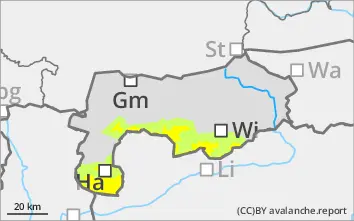
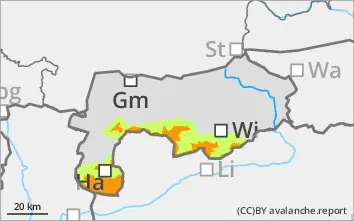
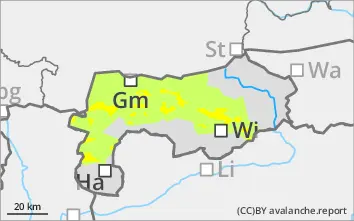
Split avalanche situation: wet snow and persistent weak layer problem!
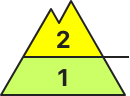
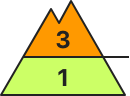
The avalanche risk is initially moderate from medium altitudes. Depending on the aspect and altitude, it then increases to considerable at different speeds. The persistent weak layer problem must be observed throughout the day. In the shady and north-facing steep terrain at higher altitudes, medium to very rare large snow slabs can be triggered in places by low additional loads. The likelihood of spontaneous wet loose snow and wet to wet slab avalanches increases during the daytime changes, especially on the sunny slopes. Naturally triggered avalanches can reach medium size. If the snowpack tears through to the ground, they could occasionally become large.
Snowpack
The snowpack has already settled significantly. Nevertheless, there is a weak foundation, especially at high altitudes and on shady slopes, due to the kinetic metamorphism and some weak layers in older snow packs. During the night, the snow surface can firm up with the outgoing longwave radiation and is then initially crusted can form differently depending on altitude and aspect. The surface soon loses firmness and softens due to the mild temperatures. At high altitudes and on shady slopes, there may still be dry, soft snow.
Tendency
Temporary cooling and clouds. Watch out for persistent weak layer problems. Slight decrease in avalanche danger.
EARLIER Danger level
1600m
Avalanche Problem
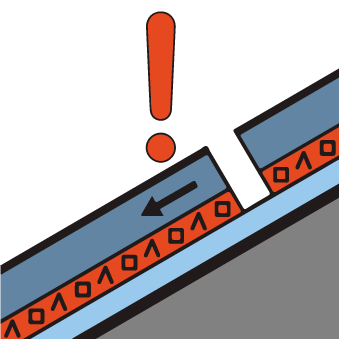
Persistent weak layer
1600m
LATER Danger level
1600m
Avalanche Problem
Wet snow
1600m
Persistent weak layer
1600m
Wet snow
1600m
Be aware of the local persistent weak layer and wet snow problem!
The avalanche risk is moderate from the middle elevations upwards. The persistent weak layer problem must be observed throughout the day. In the shady and north-facing steep terrain at higher altitudes, medium snow slabs can be triggered in places by low additional loads. The likelihood of spontaneous wet loose snow and wet to wet slab avalanches increases during the day, especially on sunny slopes. Naturally triggered avalanches can reach medium size.
Snowpack
The snowpack has already settled significantly. Nevertheless, there is a weak foundation in places, especially at high altitudes and on shady slopes, due to the kinetic metamorphism and sometimes weak layers in older snow packs. During the night, the snow surface can firm up with outgoing longwave radiation and is then crusted can form differently depending on altitude and aspect. The surface soon loses firmness and softens due to the mild temperatures. At high altitudes and on shady slopes, there may still be dry, soft snow.
Tendency
Temporary cooling and clouds. Watch out for persistent weak layer problems. Slight decrease in avalanche danger.