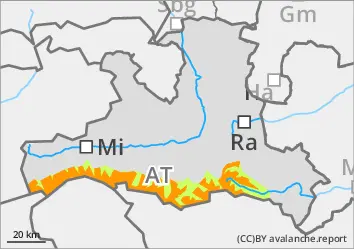
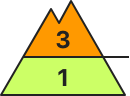
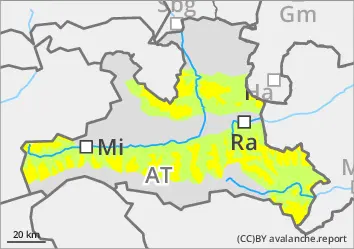
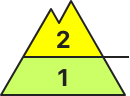
The avalanche risk increases rapidly with altitude from the tree line and is considerable above around 2000 metres. The situation remains precarious for winter sports. Particularly from north-west to north to east, medium-sized slab avalanches can easily be triggered by individuals in some places. Avalanches can be triggered in persistent weak layers and there is a high likelihood that avalanches triggered on the surface will tear through to deeper layers in the wind slab. Danger areas are barely recognisable and require a defensive choice of route. In particular, be careful near transitions from little to much snow and in the entrance areas to steep gullies. Remote triggering is possible.
Snowpack
New and wind slab snow cover a very different surface: in exposed areas it is marked by the wind, often crusted and hard, only in high, on shady slopes it is still soft. Fresh and older/hard wind slabs overlay soft layers of faceted crystals and deep rime. In wind-protected areas, on shady slopes above about 2000 m, on sunny slopes above 2400 m, surface hoar is also partly covered with snow. Breaks occur either in soft layers near the surface or around the crust that forms the transition to the completely angular old snowpack. In general, areas with little snow alternate with sometimes considerable snowdrift accumulations in a confined space, with overall snow depths well below average. High temperatures and rainfall have moistened the snowpack up to around 2000 metres.
Tendency
The risk of avalanches increases with new fallen snow and wind.
Danger level
1800m
Avalanche Problem
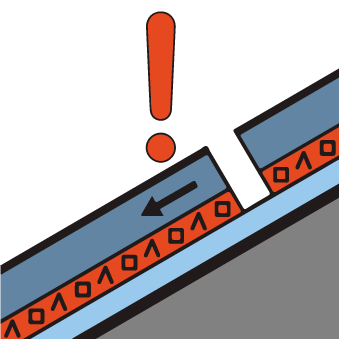
Persistent weak layer
1800m
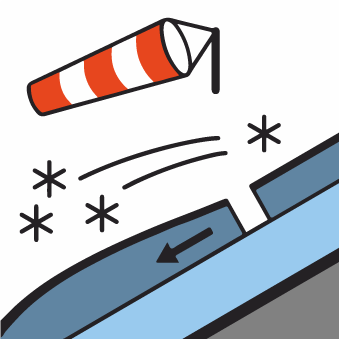
Wind slab
2000m
Fresh wind slab snow overlays persistent weak layer problem
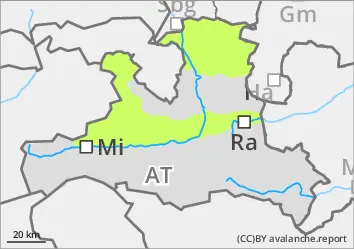
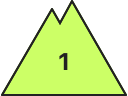
The avalanche risk is moderate above 1800 metres and low below. Especially in the sectors from north-west to north to south-east, slab avalanches can be triggered by individuals in some places. Avalanches that are triggered in persistent weak layers in deep weak layers or tear through these weak layers can reach medium size. Some avalanche prone locations are difficult to recognise and require a defensive route choice. In particular, be careful near transitions from little to more snow and in the snow-covered entrance areas to steep gullies.
Snowpack
New and wind slab snow cover a very different surface: in exposed areas it is marked by the wind, it is often encrusted and hard, only in high locations on shady slopes is it still soft. Within the snowpack, bonded snow overlays soft, angular layers. In wind-protected areas, on shady slopes above about 2000 m, on sunny slopes above 2400 m, surface hoar is also partly covered by snow. Breaks occur either in soft layers near the surface or around the crust that forms the transition to the completely built-up old snow foundation. In general, areas with little snow alternate in a confined space with sometimes considerable snowdrift accumulations and overall snow depths that are well below average.
High temperatures and rainfall have moistened the snowpack up to around 2000 metres.
Tendency
The risk of avalanches increases with new fallen snow and wind.
Danger level
2000m
Avalanche Problem
Persistent weak layer
2000m
Few avalanche prone locations due to persistent weak layers of snow
The avalanche risk is low. Above around 2000 m, small slab avalanches can still be triggered in the persistent weak layer in a few places in the steep terrain looking from north-west to north to east. Danger areas are located at the transition from little to more snow and generally next to blown-off areas as well as in the entrance areas to gullies and bowls filled with wind slab. There are small-scale avalanche prone locations due to prone to triggering, fresh wind slab in the sectors from north to south-east. The risk of falling and injury generally outweighs the risk of burial, be careful in the area of terrain traps.
Snowpack
New and windslab snow cover a very varied surface: steep sunny slopes below around 1500 m were recently bare. Otherwise, the base is often crusted, sometimes hard, and still soft in wind-protected high altitudes. On wind-protected shady slopes above around 2000 m, surface hoar is sometimes covered with snow. Especially in northern and eastern aspects, bonded snow overlays a weak old snowpack of faceted crystals and deep frost.
High temperatures and rainfall have moistened the snowpack up to around 2000 metres.
Tendency
The risk of avalanches increases with new fallen snow and wind.