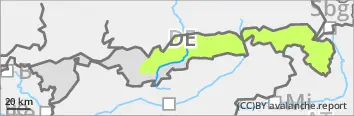
Above the tree line, fresh snowdrift accumulations, some of them prone to triggering, will develop during the night to Thursday.
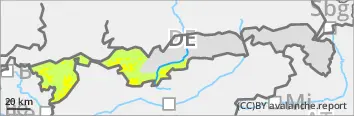
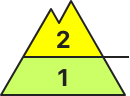
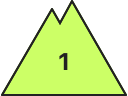
The avalanche risk is moderate above the tree line and low below it. The main problem is wind slab avalanches. Medium-sized slab avalanches can be triggered even with a small additional load. Avalanche prone locations are located above the tree line on steep slopes with aspects from north-west to north to east, as well as in gullies and bowls.
Occasionally, small and medium slab avalanches can also be triggered in persistent weak layers. This is particularly conceivable on very steep shady slopes above 1800 m with a high additional load, for example if a small, superficial avalanche breaks through to deeper, weak layers.
Snowpack
Some of the fresh wind slab lies on surface hoar, soft powder or thin wind and melt-freeze crusts prone to triggering on the old snow surface. Individual, poor snow cover test results indicate that it is still possible to trigger snow slabs in deeper, built-up layers at higher elevations. There is a lack of old snowpack up to high altitudes on the south side, and exposed terrain on the west side is often blown off. Overall, there is little snow.
Tendency
Increase in avalanche danger with up to 40 cm of new fallen snow and storm.
Danger level
treeline
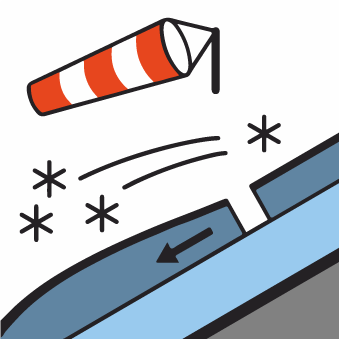
Avalanche Problem
Wind slab
Treeline
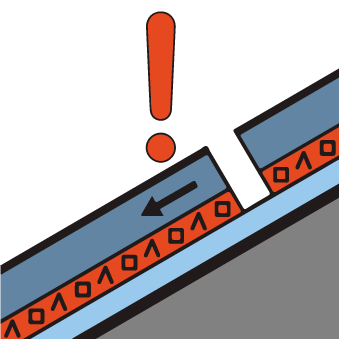
Persistent weak layer
1800m
Too little snow for ski tours off the secured pistes.
The avalanche risk is low. Occasionally, fresh wind slab snow is problematic above the tree line. Small snow slabs can be triggered in a few places in steep terrain in the north-west to north to east aspects. The risk of falling and injury is greater than the danger of burial.
Occasionally, small snow slabs can also be triggered in persistent weak layers. This is particularly conceivable on very steep shady slopes above 1800 metres with a high additional load.
Snowpack
In some places, small snowdrift accumulations lie on surface hoar, soft powder or thin wind and melt-freeze crusts prone to triggering on the old snow surface. Individual, poor snow cover test results indicate that it is still possible to trigger snow slabs in deeper, built-up layers at higher elevations. There is a lack of old snowpack up to high altitudes on the south side, and exposed terrain on the west side is often blown off. Overall, there is little snow.
Tendency
The risk of avalanches increases with new fallen snow and storms.