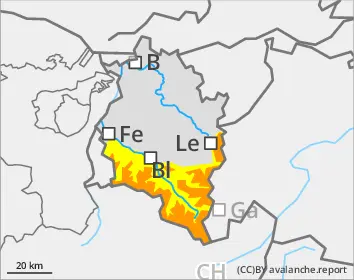
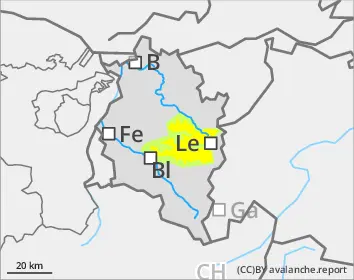
Marked weak layers in the old snowpack can still easily be triggered by one single winter sports enthusiast, especially above 2200m on steep, little-skied slopes. The danger zones are not visible. Remote triggerings are possible. Fresh snowdrift accumulations occur increasingly in ridgeline terrain and in wind-loaded gullies and bowls. Avalanches which release can fracture to deeper layers in the old snowpack and grow to medium size. Whumpf noises and fractures when treading on the surface are alarm signals. Activities in backcountry demand careful evaluation of the terrrain and assessment of the dangers. Restraint is advised.
Snowpack
Yesterday’s stormy winds generated trigger-sensitive snowdrift accumulations, deposited on top of a weak old snowpack surface above the timberline, often on loose snow or surface hoar (particularly on steep shady slopes). Avalanches triggered by winter sports enthusiasts confirm how prone to triggering the snowpack is.
Tendency
Weak layers in the old snow can still be triggered by one single winter sports enthusiast. The likelihood of fresh drifts triggering will decrease only gradually.
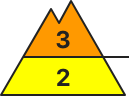
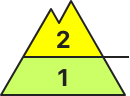
Danger level
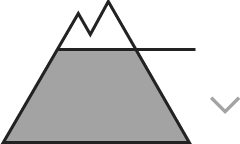
treeline
Avalanche Problem
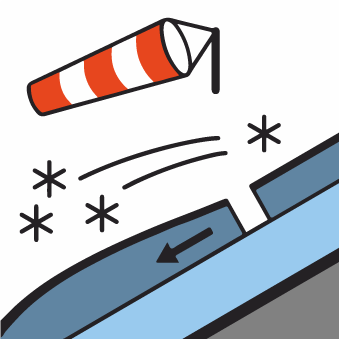
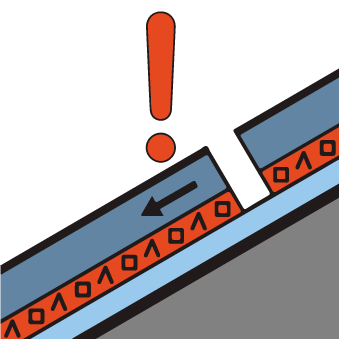
Wind slab
Treeline
Persistent weak layer
Circumvent fresh snowdrift accumulations!
A single winter sports enthusiast can trigger small slab avalanches in some places, particularly in ridgeline terrain and in wind-loaded gullies and bowls. If releases then sweep away deeper weak layers of the snowpack, the avalanche can in isolated cases grow to medium size. Danger zones are impossible to spot. Whumpf noises and fractures forming on the surface are alarm signals.
Snowpack
Storm-strength foehn winds generated trigger-sensitive snowdrift accumulations. They lie deposited atop loose snow or surface hoar in many places, or else atop a melt-freeze encrusted old snowpack surface. Particularly on steep shady slopes, the unfavorable snow base and intermediate layers of the snowpack have often persisted.
Tendency
The likelihood of fresh drifts triggering will decrease only gradually. Unfavorable snow base and intermediate layers will persist.
Danger level
treeline
Avalanche Problem
Wind slab
Treeline
Persistent weak layer
2200m
Trigger-sensitive snowdrift accumulations atop a weak old snowpack
Marked weak layers in the old snowpack can still easily be triggered by one single winter sports enthusiast, especially on steep, little-skied slopes. The danger zones are not visible. Remote triggerings are possible. Fresh snowdrift accumulations occur increasingly in ridgeline terrain and in wind-loaded gullies and bowls. Avalanches which release can fracture to deeper layers in the old snowpack and grow to medium size. Whumpf noises and fractures when treading on the surface are alarm signals. Activities in backcountry demand careful evaluation of the terrrain and assessment of the dangers.
Snowpack
Yesterday’s stormy winds generated trigger-sensitive snowdrift accumulations, deposited on top of a weak old snowpack surface above the timberline, often on loose snow or surface hoar (particularly on steep shady slopes). Reports characterize the persistent weak layer problem as less marked in Lechquellgebirge than in the southern regions of Verwall, Silvretta and Rätikon.
Tendency
Weak layers in the old snow can still be triggered by one single winter sports enthusiast. The likelihood of fresh drifts triggering will decrease only gradually.