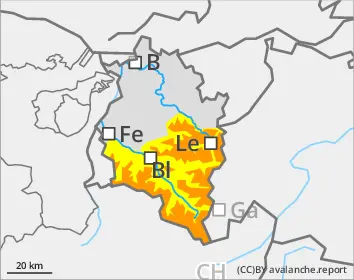
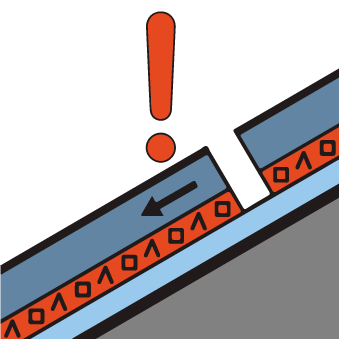
Caution: snowdrift accumulations blanket weak layers of old snow.
With increasing altitude, fresh and older snowdrift accumulations are prone to triggering. They are blanketed in some places, making them impossible to recognize. One single winter sports enthusiast can trigger slab avalanches. Danger zones occur in steep ridgeline terrain, in wind-loaded gullies and bowls and behind drops in the terrain. Releases can sweep away deeper layers of the snowpack and grow to medium size. Such danger zones are not visitlbe, particularly on steep shady slopes. Activities in backcountry demand careful evaluation of terrain and dangers, as well as restraint. On sunny slopes, small loose-snow slides can trigger naturally during the course of the day.
Snowpack
Fresh and older snowdrift accumulations from recent days lie atop loose snow at higher altitudes and, particularly on steep shady slopes, on top of a weak old snowpack surface. They are often blanketed, making them impossible to recognize. Avalanche triggerings from explosions and from persons, as well as fractures, confirm how prone to triggering the snowpack is.
Tendency
Avalanche danger will decrease only gradually.
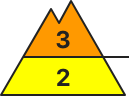
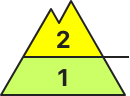
Danger level
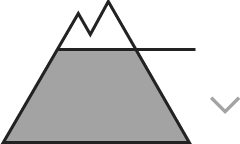
1800m
Avalanche Problem
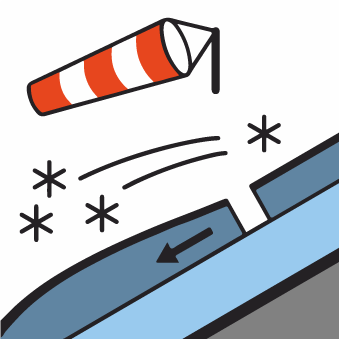
Wind slab
1800m
Caution: beware snowdrift accumulations
Small fresh and older snowdrift accumulations in steep ridgeline terrain and behind sharp protruberances in the landscape are prone to triggering. These are often blanketed over, making them impossible to recognize. One single winter sports enthusiast can trigger small, in isolated cases medium-sized slab avalanches. Other danger zones occur on extremely steep, mostly shady slopes. In isolated cases there, small avalanches can be triggered in the old snow. Such danger zones occur particularly in transitions from shallow to deep snow, for example, at entry points into gullies and bowls. Apart from the risks of being buried in snow masses, the danger of being swept along and forced to take a fall also require caution. On sunny slopes, small loose-snow slides can trigger naturally during the course of the day.
Snowpack
Fresh and older snowdrift accumulations from recent days often lie deposited on top of loosely-packed snow or atop a melt-freeze encrusted old snowpack surface. They are often blanketed over, making them impossible to recognize. The fresh snow from Wednesday night often covered surface hoar. Particularly on steep shady slopes there are still unfavorable intermediate layers inside the old snowpack which have persisted. Small avalanche triggerings and fracture on the surface confirm the trigger-sensitivity of the snowpack.