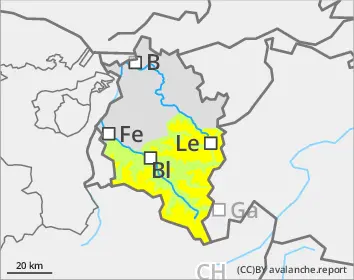
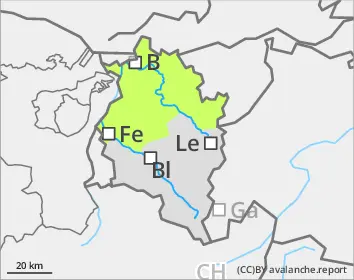
Main danger: weak old snowpack layers. Fresh snowdrifts also require caution.
It is possible to trigger slab avalanches in the old snow particularly by large additional loading. If a release sweeps away the entire snowpack the avalanche can grow to medium size. Danger zones are located especially on steep shady slopes, but also in wind-loaded gullies and bowls in all aspects. Whumpf noises and fractures on the surface are alarm signals. Activities in outlying terrain away from secured ski runs require experience in evaluating the terrain and assessment of avalanche dangers. In addition, trigger-sensitive snowdrift accumulations have been generated particularly in ridgline and pass areas.
Snowpack
The old snowpack is overall unfavorably structured. Intermediate layers inside the snow cover continue to be only moderately bonded to each other. In addition, older snowdrift accumulations on shady high-altitude slopes can be prone to triggering in places. Small, fresh drifted masses occur in ridgeline and pass areas. More than anything else: where fresh snow and drifts are deposited on top of surface hoar, bonding of snow is poor.
Tendency
At high altitudes, the unfavorably structured snowpack is the main danger. Depending on fresh snow and wind, avalanche danger may increase slightly on Monday.
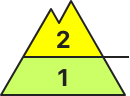
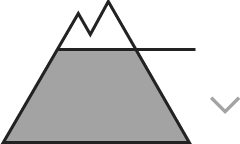
Danger level
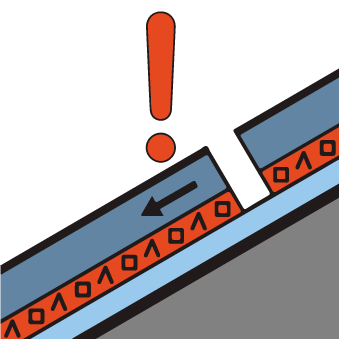
Avalanche Problem
Persistent weak layer
Predominantly low avalanche danger
Avalanche danger is low. Isolated avalanche prone locations occur on extremely steep, predominantly shady slopes. Small-sized avalanches can in isolated cases be triggered. Danger zones occur most often in transition zones from shallow to deep snow, for example, at entry points into gullies and bowls. Apart from the risks of being buried in snow masses, the danger of being swept along and forced to take a fall also require caution.
Snowpack
The old snowpack is predominantly well consolidated. On shady slopes, weak layers in the old snow still persist in places. The snowpack surface is melt-freeze encrusted in early morning and hardly softens up during daytime hours. Overall there is little snow on the ground. Often surface hoar on shady slopes.
Tendency
Avalanche danger levels are not immediately expected to change significantly.