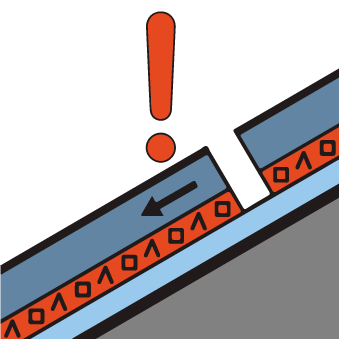
One single person can trigger slab avalanches in the old snow. If the fracture sweeps away the entire snowpack, the release can grow to medium size. Danger zones occur especially on steep shady slopes and in wind-loaded gullies and bowls in all aspects. Whumpf noises and fractures on the snowpack surface are alarm signals. Also remote triggerings cannot be ruled out. In addition, small-sized fresh snowdrifts require special caution in high altitude ridgeline terrain and pass zones. Activities in backcountry demand experience in evaluating the terrain and assessing dangers.
Snowpack
The fresh fallen snow and drifts from the most recent period of precipitation have settled further as a result of higher temperatures. Bonding to the often loosely-packed, faceted, expansively metamorphosed old snowpack surface, often with surface hoar, continues to be moderate-to-poor in places. In addition, layers inside the recent fresh snow and drifts are often still prone to triggering.
Tendency
No significant change is anticipated. The old snow remains prone to triggering at high altitudes.
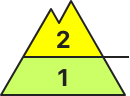
Danger level
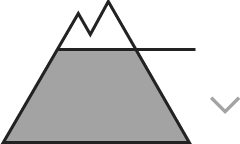
treeline
Avalanche Problem
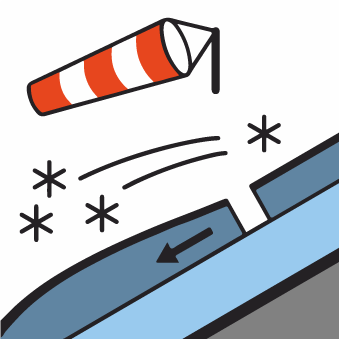
Wind slab
Treeline
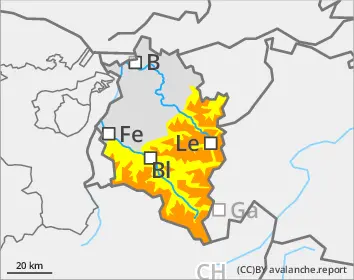
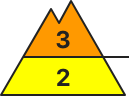
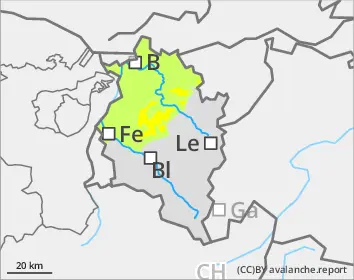
Moderate avalanche danger at higher altitudes
Avalanche danger is often still considerable at high altitudes. Winter sports enthusiasts can trigger small-to-medium sized slab avalanches in wind-loaded zones, particularly on steep W-E-SE facing slopes and in gullies and bowls. At lower altitudes, wet snowslides and small avalanches will be possible. Also gliding snow activity is increasing again.
Snowpack
The fresh fallen snow and drifts from the most recent period of precipitation have settled further as a result of higher temperatures. Bonding to the often loosely-packed, faceted, expansively metamorphosed old snowpack surface, often with surface hoar, continues to be moderate-to-poor in places. In addition, layers inside the recent fresh snow and drifts are often still prone to triggering. Up to intermediate altitudes the snowpack surface is frequently melt-freeze encrusted.