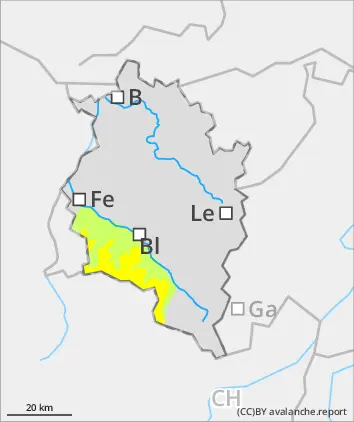
Small-area avalanche prone locations in the form of snowdrift accumulations, esp. in wind-loaded steep terrain, in gullies and bowls, and behind protruberances in the landscape, on shady slopes often triggerable above the treeline by one sole skier and then possibly growing to medium size. Danger zones are difficult to recognize when blanketed with fresh snow. In isolated cases, small slab avalanches can be triggered on high-altitude extremely steep shady slopes also in the old snow, usually by large additional loading and where the snow is shallow.
Snowpack
Only a few cm of fresh snowfall. Fresh and older snowdrift accumulations lie deposited esp. on steep shady slopes atop soft layers and are often prone to triggering. The uppermost layers are often still powdery (with the exception of wind-impacted zones), frequently encrusted on south-facing slopes. Also wind-crusts are evident. All in all, the snowpack is predominantly well consolidated.
Tendency
Caution: small snowdrifts
Danger level
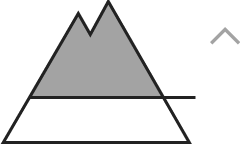
1800m
Avalanche Problem
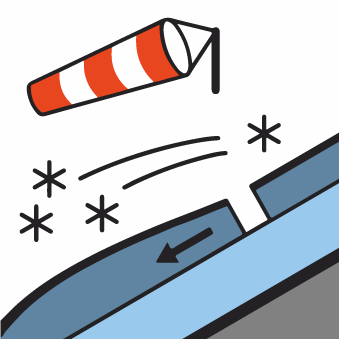
Wind slab
1800m
Favorable conditions. Caution urged towards small drifts at high altitudes.
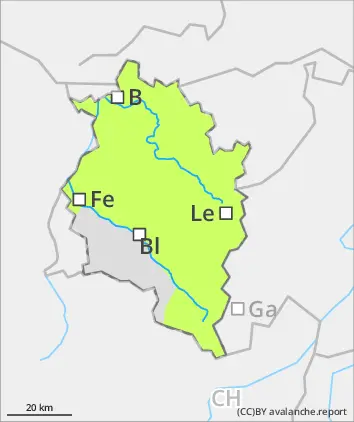
Avalanche danger is low. Fresh drifts can trigger small slab avalanches even by minimum additional loading in some places. Danger zones occur in steep ridgeline terrain, mostly on W/N/E facing slopes and behind protruberances in the landscape. Danger of being swept along and forced to take a fall outweigh that of being buried in snow masses. In very isolated cases, small slab avalanches can trigger in the old snow on steep shady high-altitude slopes, generally by large additional loading and where the snow is shallow.
Snowpack
The minor amount of fresh snow was transported. Small snowdrift accumulations lie deposited esp. on steep shady slopes atop soft layers and are often prone to triggering. The uppermost layers are often still powdery (with the exception of wind-impacted zones), frequently encrusted on south-facing slopes. Also wind-crusts are evident. All in all, the snowpack is predominantly well consolidated.
Tendency
No significant change anticipated in avalanche danger levels