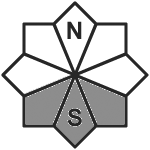
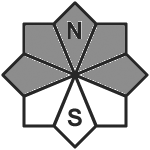
Danger level
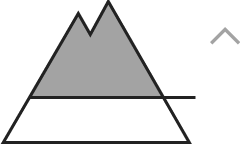
 | 2200m |
|  |
|  |
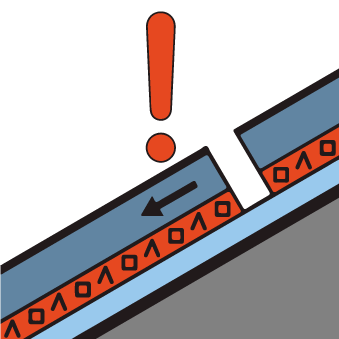

Weak layers in the old snow are the major danger.
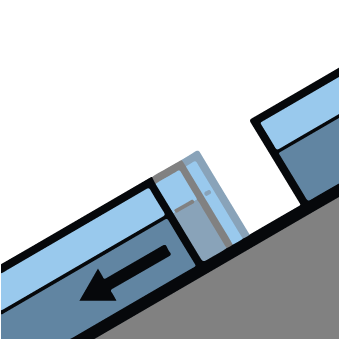
At high altitudes, older snowdrift accumulations and weak layers are often still prone to triggering. Danger zones occur mostly on shady slopes behind protruberances in the landscape, in gullies and bowls and on wind-loaded slopes. Size and spread tend to increase with ascending altitude. Small-to-medium slab avalanches can be triggered even by the weight of one single skier. At low altitudes on grass-covered slopes, small glide-snow avalanches can trigger.
Snowpack
Older snowdrift accumulations lie deposited mostly on steep shady slopes atop expansively metamorphosed layers or atop surface hoar. Bonding to the old snowpack surface deteriorates with increasing altitude. At high-altitude levels on shady slopes and in places where the snow is shallow, faceted layers are evident in the snowpack. On sunny slopes and at low altituders, the upermost layers of the snowpack are often encrusted due to solar radiaition and higher temperatures. All in all, snow depths are highly varied, ridges are often uttler windblown or with little snow, gullies and bowls are filled to the brim with snow.
Tendency
Avalanche danger will increase slightly on Friday due to fresh fallen snow and wind impact.